

What happens to dogs when they eat chocolate? The answer depends on several factors, including the type of chocolate, the amount consumed, and your dog’s size. Chocolate contains theobromine and caffeine, two stimulants that dogs cannot metabolize efficiently. As a result, these substances remain in a dog’s body much longer than they do in humans, increasing the risk of poisoning.
When asking what happens to dogs when they eat chocolate, it’s important to understand that symptoms can range from mild digestive upset to life-threatening complications. A dog may experience vomiting, diarrhea, restlessness, excessive thirst, rapid breathing, increased heart rate, muscle tremors, seizures, or even death in severe cases.
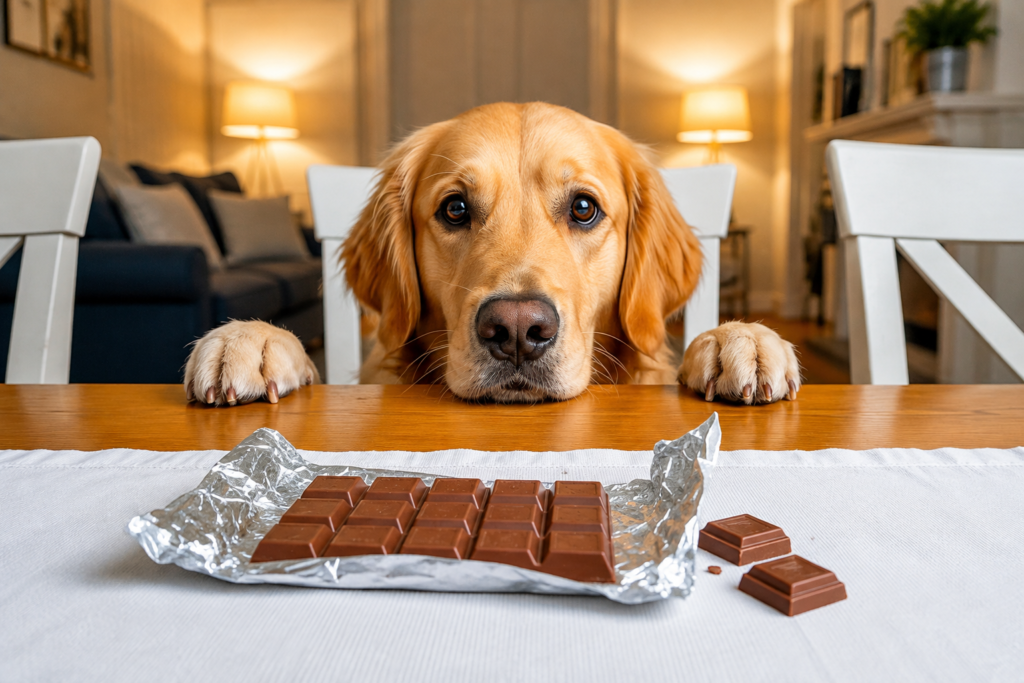
If your dog has eaten chocolate, never assume everything will be fine simply because they appear normal at first. Symptoms of chocolate poisoning often develop within 6 to 12 hours, although some dogs may show signs earlier depending on the amount and type of chocolate consumed.
The best response is to contact your veterinarian immediately whenever you suspect chocolate ingestion. Acting quickly greatly improves the chances of a full recovery.
Quick Answer
What happens to dogs when they eat chocolate?
Chocolate can poison dogs because it contains theobromine and caffeine, which affect the nervous system and heart. Depending on the amount eaten, dogs may experience vomiting, diarrhea, hyperactivity, tremors, seizures, irregular heartbeat, or even death. Immediate veterinary advice is recommended whenever a dog eats chocolate.
Why Is Chocolate Dangerous for Dogs?
Many dog owners wonder what happens to dogs when they eat chocolate because people enjoy chocolate every day without any problems. The difference lies in how dogs process certain chemicals.
Dogs break down theobromine much more slowly than humans. While a person can usually metabolize these compounds quickly, a dog’s body allows them to build up to dangerous levels. This prolonged exposure overstimulates the heart, muscles, and nervous system.
Even a relatively small amount of chocolate may cause illness in a tiny dog, while a larger breed may tolerate slightly more before showing symptoms. However, no amount of chocolate should be considered completely safe for dogs.
What Makes Chocolate Toxic?
Chocolate comes from cocoa beans, which naturally contain two stimulants:
- Theobromine
- Caffeine
These chemicals belong to a group called methylxanthines. They stimulate the brain, heart, and muscles.
When discussing what happens to dogs when they eat chocolate, these two ingredients are the main reason chocolate becomes dangerous.
Theobromine can:
- Increase heart rate
- Raise blood pressure
- Cause hyperactivity
- Trigger muscle tremors
- Lead to seizures
- Cause dangerous heart rhythm abnormalities
Caffeine can make these effects even worse, especially when large amounts of chocolate are consumed.
Why Can Humans Eat Chocolate but Dogs Can’t?
Humans metabolize theobromine relatively quickly. Dogs, however, process it much more slowly, allowing toxic levels to accumulate in their bloodstream.
This explains what happens to dogs when they eat chocolate compared to people. A chocolate bar that seems harmless to a person may become a medical emergency for a dog.
The smaller the dog, the greater the risk because the same amount of chocolate represents a much higher dose relative to body weight.
Types of Chocolate and Their Toxicity
Not all chocolate contains the same amount of theobromine.
| Chocolate Type | Toxicity Level |
| Cocoa Powder | Extremely High |
| Baking Chocolate | Very High |
| Dark Chocolate | High |
| Semi-Sweet Chocolate | Moderate to High |
| Milk Chocolate | Moderate |
| White Chocolate | Very Low (still not recommended) |
Understanding the type of chocolate helps veterinarians estimate what happens to dogs when they eat chocolate and determine how serious the situation may be.
For example:
Cocoa Powder
Cocoa powder contains one of the highest concentrations of theobromine. Even a small amount can be dangerous for small dogs.
Baking Chocolate
Unsweetened baking chocolate is highly concentrated and is considered one of the most toxic forms.
Dark Chocolate
Dark chocolate contains significantly more cocoa than milk chocolate, making it much more dangerous.
Milk Chocolate
Milk chocolate contains less theobromine but can still cause poisoning if enough is eaten.
White Chocolate
White chocolate contains very little cocoa and therefore much less theobromine. However, it is high in sugar and fat, which can still upset a dog’s stomach or contribute to pancreatitis.
How Much Chocolate Is Dangerous for Dogs?
A common question is what happens to dogs when they eat chocolate if they only consumed a small piece.
There is no universal answer because toxicity depends on:
- Dog’s body weight
- Type of chocolate
- Amount eaten
- Age
- Overall health
- Existing medical conditions
For example:
- A Chihuahua eating a small amount of dark chocolate could become seriously ill.
- A Labrador eating the same amount might experience milder symptoms, although veterinary advice is still necessary.
Never wait for symptoms to appear before seeking guidance.
Factors That Affect Chocolate Poisoning
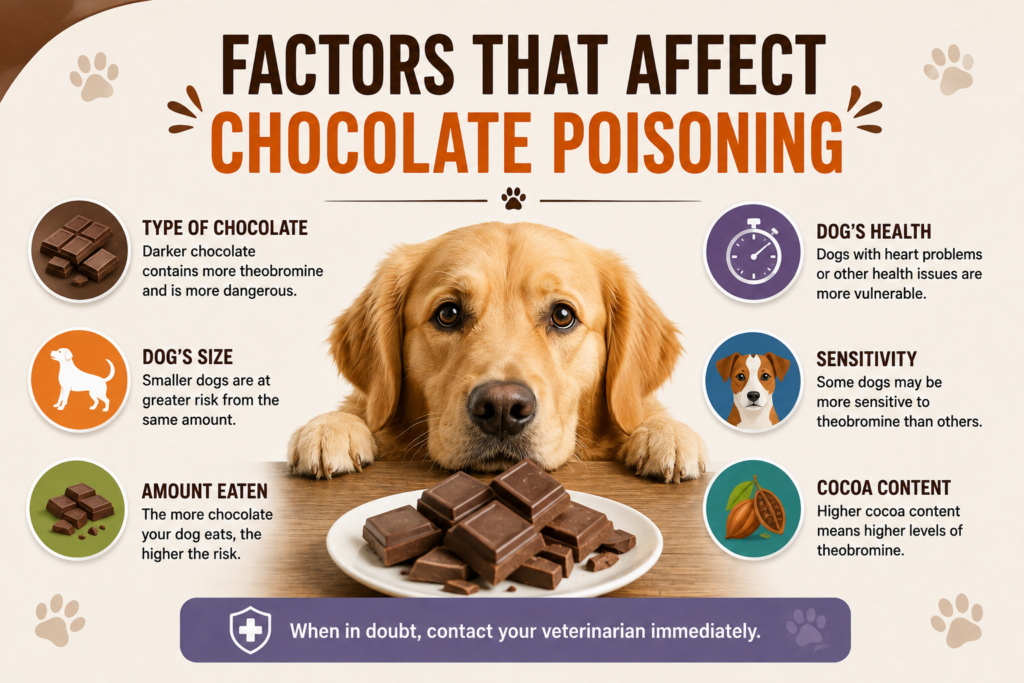
Several factors influence what happens to dogs when they eat chocolate:
Dog Size
Smaller dogs receive a higher toxic dose per pound of body weight.
Type of Chocolate
Dark chocolate and baking chocolate contain much more theobromine than milk chocolate.
Amount Consumed
Larger amounts increase the risk of severe poisoning.
Age
Puppies and senior dogs may have more difficulty handling chocolate toxicity.
Health Conditions
Dogs with heart disease or neurological disorders may develop more serious complications.
Early Symptoms of Chocolate Poisoning
Symptoms often appear within 6–12 hours, although some dogs may show signs sooner.
Early signs include:
- Vomiting
- Diarrhea
- Drooling
- Restlessness
- Hyperactivity
- Panting
- Increased thirst
- Frequent urination
- Rapid heartbeat
- Mild tremors
If you notice any of these signs after chocolate exposure, do not delay contacting your veterinarian.
Which Dogs Are Most at Risk?
Although what happens to dogs when they eat chocolate varies, certain dogs are more vulnerable:
- Puppies
- Toy breeds
- Senior dogs
- Dogs with heart disease
- Dogs with seizure disorders
- Dogs with liver disease
These pets may become seriously ill after eating amounts that larger, healthy dogs might tolerate better.
When Should You Call a Veterinarian?
You should contact your veterinarian immediately if:
- Your dog ate dark chocolate.
- Your dog ate baking chocolate.
- Your dog ate cocoa powder.
- Your puppy ate any amount of chocolate.
- Your dog is showing symptoms.
- You’re unsure how much chocolate was eaten.
Prompt action can make a significant difference in treatment and recovery.
Severe Symptoms of Chocolate Poisoning in Dogs
Many pet owners initially believe their dog is fine because no symptoms appear immediately. However, what happens to dogs when they eat chocolate can become much more serious as the body absorbs the toxic compounds. Mild stomach upset may quickly progress into a life-threatening emergency if a large amount of chocolate was consumed.
As theobromine and caffeine continue affecting the body, the nervous system and cardiovascular system become overstimulated. This is why understanding what happens to dogs when they eat chocolate is so important for every dog owner.
Severe symptoms may include:
- Muscle tremors
- Severe hyperactivity
- Rapid or irregular heartbeat
- High blood pressure
- Difficulty walking
- Loss of coordination
- Collapse
- Seizures
- High body temperature
- Coma
- Death in untreated severe cases
If your dog develops any of these symptoms, seek emergency veterinary care immediately. Waiting can significantly reduce the chances of recovery.
How Long Does It Take for Symptoms to Appear?
A common question related to what happens to dogs when they eat chocolate is how quickly symptoms begin.
In most cases:
- Early symptoms develop within 6–12 hours
- Some dogs may show signs within 2–4 hours
- Severe symptoms can continue for 24–72 hours
- Large doses may require hospitalization for several days
Even if your dog appears normal after eating chocolate, the toxic effects may still be developing. Never rely solely on visible symptoms before contacting your veterinarian.
What Should You Do If Your Dog Eats Chocolate?
If you’re wondering what happens to dogs when they eat chocolate, the most important step is acting quickly. Fast action can often prevent severe poisoning.
1. Stay Calm
Avoid panicking. Remaining calm allows you to gather important information for your veterinarian.
2. Identify the Chocolate
Try to determine:
- Milk chocolate
- Dark chocolate
- Baking chocolate
- Cocoa powder
- White chocolate
The type of chocolate greatly influences what happens to dogs when they eat chocolate because darker chocolates contain much higher levels of theobromine.
3. Estimate the Amount
Check:
- Package size
- Number of pieces missing
- Approximate weight
Even an estimate helps your veterinarian assess the risk.
4. Know Your Dog’s Weight
Body weight is one of the biggest factors in determining the severity of chocolate poisoning.
5. Contact Your Veterinarian Immediately
Do not wait for symptoms to develop. Your veterinarian can advise whether home monitoring is appropriate or if emergency treatment is necessary.
Should You Make Your Dog Vomit?
Many owners search online after asking what happens to dogs when they eat chocolate, but you should never induce vomiting unless specifically instructed by a veterinarian.
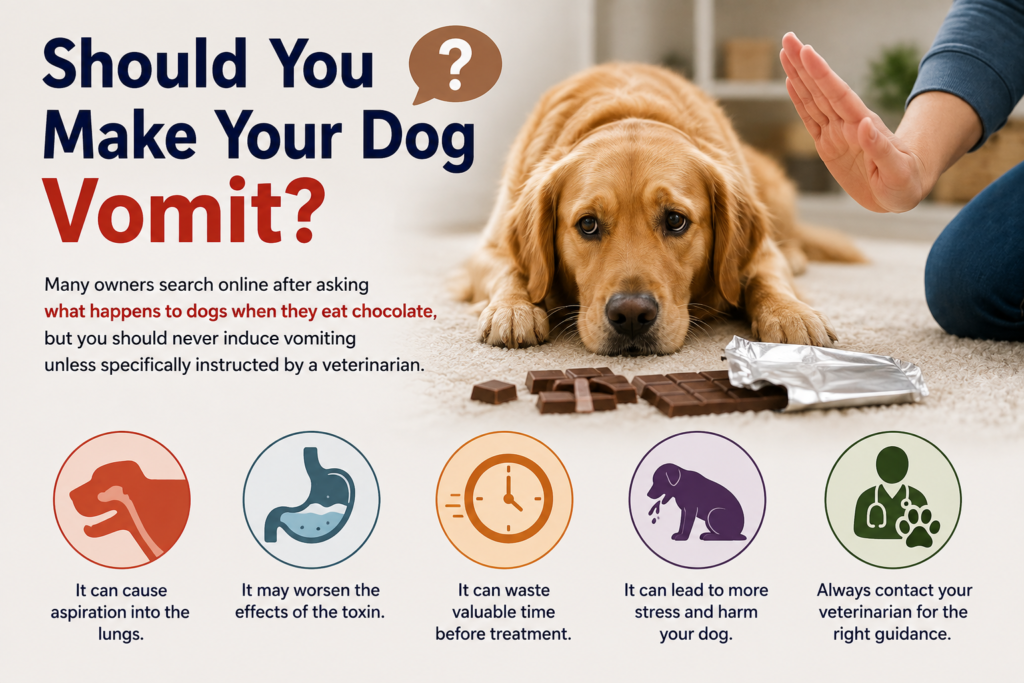
Inducing vomiting incorrectly can cause additional health problems, especially if:
- Your dog is already having seizures.
- Your dog is unconscious.
- Your dog has difficulty breathing.
- The chocolate was eaten several hours earlier.
Always follow professional veterinary guidance.
How Veterinarians Diagnose Chocolate Poisoning
When evaluating what happens to dogs when they eat chocolate, veterinarians typically consider:
- Dog’s weight
- Type of chocolate
- Amount eaten
- Time since ingestion
- Clinical symptoms
A physical examination may include checking:
- Heart rate
- Body temperature
- Blood pressure
- Hydration status
- Neurological function
Blood tests may also be performed to assess overall health and identify complications.
Treatment for Chocolate Poisoning
Treatment depends on what happens to dogs when they eat chocolate, the amount consumed, and how quickly treatment begins.
Possible treatments include:
Inducing Vomiting
If ingestion occurred recently, the veterinarian may safely induce vomiting.
Activated Charcoal
Activated charcoal helps reduce the absorption of theobromine remaining in the digestive tract.
IV Fluids
Intravenous fluids help maintain hydration and support the kidneys in eliminating toxins.
Heart Monitoring
Dogs with abnormal heart rhythms may require continuous ECG monitoring.
Medications
Your veterinarian may prescribe medications to:
- Control seizures
- Reduce tremors
- Manage abnormal heart rhythms
- Lower blood pressure
- Reduce anxiety and agitation
Hospitalization
Moderate to severe cases often require 24–72 hours of hospital care for close monitoring.
Recovery After Chocolate Poisoning
Fortunately, many dogs recover completely when treated promptly.
Recovery depends on:
- Amount eaten
- Type of chocolate
- Dog’s size
- Overall health
- How quickly treatment began
Dogs receiving early treatment often improve within one to three days. Severe cases may take longer, but prompt veterinary care greatly increases the chances of a full recovery.
Are Puppies More Sensitive?
Yes. Puppies are generally more vulnerable when considering what happens to dogs when they eat chocolate.
Puppies have:
- Lower body weight
- Smaller toxin tolerance
- Developing organs
- Higher risk of dehydration
Because of these factors, even a small amount of chocolate can become dangerous.
Can Large Dogs Eat More Chocolate Safely?
A common myth is that large dogs can safely eat chocolate. While larger dogs usually require a higher toxic dose, no chocolate is considered safe for dogs.
Large dogs can still develop:
- Vomiting
- Rapid heartbeat
- Hyperactivity
- Tremors
- Seizures
The risk simply depends on the total amount consumed relative to body weight.
How to Prevent Chocolate Poisoning
The best way to avoid what happens to dogs when they eat chocolate is prevention.
Follow these simple tips:
- Store chocolate in high cabinets.
- Keep holiday candy out of reach.
- Never leave desserts unattended.
- Teach children not to share chocolate with pets.
- Remind guests not to feed dogs human treats.
- Use secure trash cans with lids.
- Keep baking supplies safely stored.
A few preventive measures can eliminate the risk of chocolate poisoning altogether.
Common Myths About Chocolate and Dogs
Myth 1: A Small Piece Never Hurts
False. Small dogs can become seriously ill after eating even a small amount of dark or baking chocolate.
Myth 2: White Chocolate Is Completely Safe
False. White chocolate contains much less theobromine, but it is still high in sugar and fat and may cause digestive upset or pancreatitis.
Myth 3: Dogs Always Show Symptoms Immediately
False. Symptoms often take several hours to develop, which is why immediate veterinary advice is recommended.
Myth 4: If My Dog Seems Fine, There’s No Problem
False. The toxic effects of chocolate may continue developing long after ingestion. Never assume your dog is safe simply because no symptoms are visible.
Frequently Asked Questions (FAQs)
1. What happens to dogs when they eat chocolate?
What happens to dogs when they eat chocolate depends on the type of chocolate, the amount consumed, and the dog’s size. Chocolate contains theobromine and caffeine, which dogs process very slowly. These substances can cause vomiting, diarrhea, restlessness, a rapid heart rate, muscle tremors, seizures, and in severe cases, death. If your dog eats chocolate, contact your veterinarian immediately.
2. Can dogs eat a small amount of chocolate?
No amount of chocolate is considered completely safe. While a tiny piece of milk chocolate may not always cause severe illness in a large dog, even small amounts of dark or baking chocolate can be dangerous. Understanding what happens to dogs when they eat chocolate helps owners avoid taking unnecessary risks.
3. Which type of chocolate is the most dangerous for dogs?
When discussing what happens to dogs when they eat chocolate, it’s important to know that cocoa powder and baking chocolate contain the highest levels of theobromine, making them the most dangerous. Dark chocolate is also highly toxic, while milk chocolate contains lower amounts. White chocolate has very little theobromine but is still unhealthy because of its high fat and sugar content, which can upset your dog’s stomach and lead to other health problems.
4. How soon will my dog show symptoms after eating chocolate?
Most dogs begin showing symptoms within 6 to 12 hours, although some may develop signs in as little as 2 to 4 hours. The timeline varies depending on the type and amount of chocolate consumed.
5. How much chocolate is toxic to dogs?
There is no single answer because toxicity depends on:
- Your dog’s body weight
- The type of chocolate
- The amount eaten
- Your dog’s overall health
If you’re unsure, treat any chocolate ingestion as potentially serious and contact your veterinarian.
6. Can a dog recover from chocolate poisoning?
Yes. Most dogs recover completely if treatment begins early. Quick veterinary care greatly improves the chances of a full recovery and reduces the risk of serious complications.
7. Should I wait to see if my dog gets sick?
No. One of the biggest mistakes owners make after wondering what happens to dogs when they eat chocolate is waiting for symptoms to appear. Contact your veterinarian immediately, even if your dog seems normal.
8. Is white chocolate safe for dogs?
White chocolate contains much less theobromine than dark chocolate, but it is still not safe. Its high sugar and fat content can upset your dog’s stomach and may increase the risk of pancreatitis.
9. Why can’t dogs digest chocolate like humans?
Dogs metabolize theobromine much more slowly than humans. As a result, the toxic compounds remain in their bodies longer, affecting the heart, brain, and nervous system.
10. Can chocolate poisoning be prevented?
Yes. Store all chocolate products securely, never feed chocolate to dogs, educate family members, and keep candy out of reach—especially during holidays like Halloween, Christmas, Valentine’s Day, and Easter.
ASPCA Animal Poison Control Center
Final Thoughts
Knowing what happens to dogs when they eat chocolate can help you act quickly and protect your pet from a potentially life-threatening emergency. Chocolate is never a safe treat for dogs because it contains theobromine and caffeine, two substances that dogs cannot process effectively.
If your dog eats chocolate, don’t wait for symptoms to appear. Contact your veterinarian as soon as possible, provide details about the type and amount of chocolate consumed, and follow their advice. Early treatment offers the best chance for a full recovery.
The safest approach is prevention. Keep chocolate products stored securely, educate everyone in your household, and always choose dog-safe treats instead. By understanding what happens to dogs when they eat chocolate, you can keep your furry friend happy, healthy, and out of danger.