
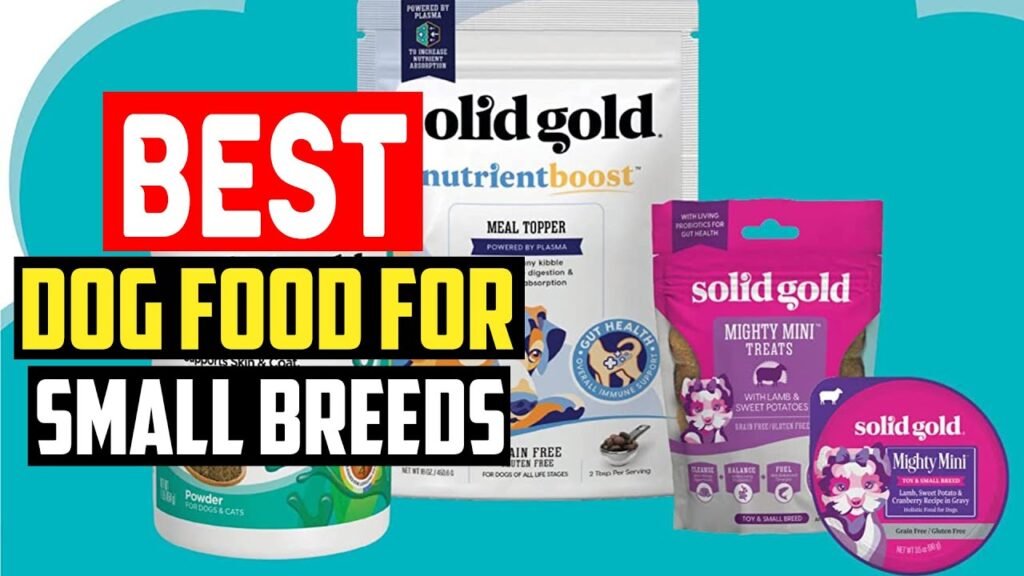
Finding the best small breed dog food can be confusing because small dogs have different nutritional needs than medium and large dogs. Their bodies are smaller, their stomachs are smaller, and many small breeds have relatively high energy needs for their size. A good small breed dog food should provide balanced nutrition while also being easy for a small dog to chew and digest.
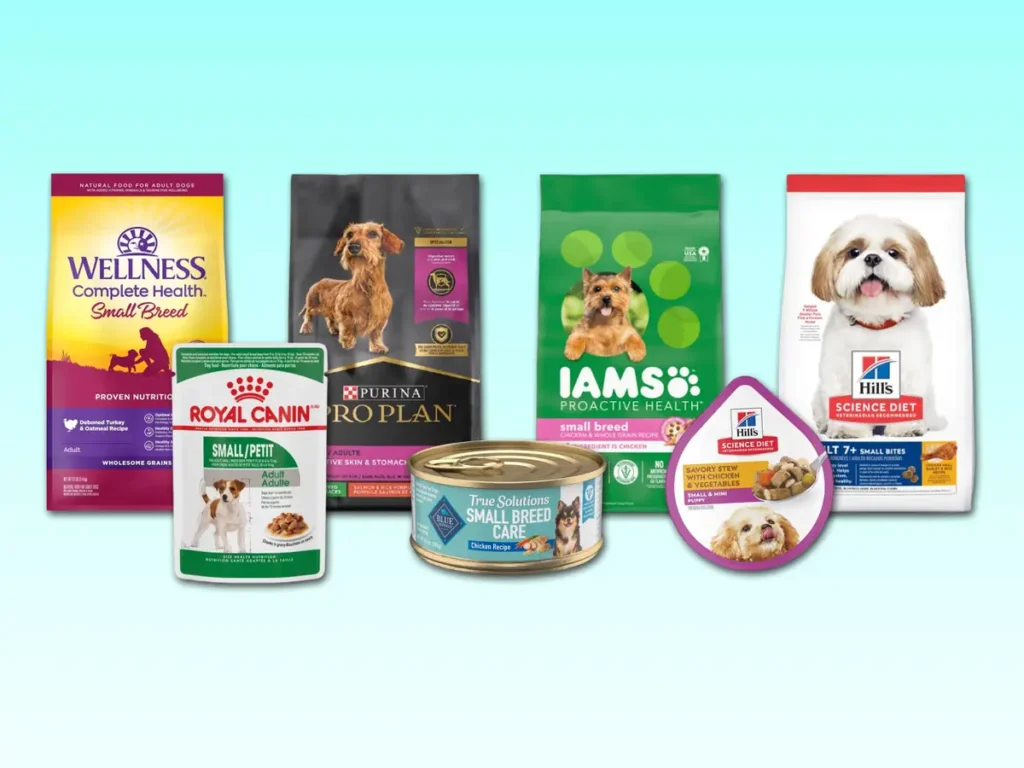
Whether you have a Chihuahua, Yorkshire Terrier, Pomeranian, Shih Tzu, Maltese, Dachshund, Toy Poodle, Miniature Schnauzer, or another small breed, choosing the right food can make a significant difference in your dog’s daily energy, weight, digestion, coat, teeth, and overall health.
In this guide, we will explain what makes the best small breed dog food, which ingredients to look for, how much small dogs should eat, and how to choose food for puppies, adults, seniors, sensitive stomachs, and overweight dogs.
What Is the Best Small Breed Dog Food?
The best small breed dog food is not necessarily the most expensive food or the food with the longest ingredient list. Instead, it should be a complete and balanced diet appropriate for your dog’s life stage, size, activity level, and individual health needs.
Small dogs generally need more calories per pound of body weight than larger dogs. They also benefit from nutrient-dense food because they cannot consume the same volume of food as a large dog. Veterinary sources also emphasize the importance of appropriately sized kibble for small mouths.
When choosing the best small breed dog food, consider:
- High-quality protein
- Appropriate fat levels
- Adequate calories
- Essential vitamins and minerals
- A complete and balanced nutritional profile
- Small, easy-to-chew kibble
- Appropriate nutrition for your dog’s age
- Your dog’s activity level
- Your dog’s body condition
- Any allergies or digestive sensitivities
The right small breed dog food should help your dog maintain a healthy weight and provide enough energy without encouraging excessive calorie intake.
Why Do Small Dogs Need Special Dog Food?
Small dogs may look like miniature versions of larger dogs, but their nutritional requirements are not always the same.
Small and toy breeds can have higher metabolic rates and require more calories per unit of body weight. At the same time, they have smaller stomachs, meaning every bite of food needs to provide useful nutrition.
This is one reason why the best small breed dog food is often more calorie-dense than standard adult dog food.
For example, a large dog may be able to eat a large meal without difficulty, while a tiny dog may only be able to eat a relatively small amount. If that small amount is not nutrient-dense, the dog may struggle to obtain enough energy and nutrients.
However, there is an important balance. Small dogs can also gain excess weight quickly when they receive too many calories. Therefore, choosing the best small breed dog food is only part of proper nutrition. Portion control is equally important.
What Should You Look for in the Best Small Breed Dog Food?
When comparing different foods, don’t focus on marketing claims alone. Look at the nutritional information and consider your dog’s individual needs.
1. Complete and Balanced Nutrition
One of the most important things to look for in the best small breed dog food is a nutritional adequacy statement showing that the food is complete and balanced for the appropriate life stage.
A complete and balanced diet is designed to provide the essential nutrients dogs need rather than functioning simply as a treat or supplemental food. The American Kennel Club recommends checking for a complete-and-balanced statement when selecting commercial dog food.
2. High-Quality Protein
Protein is an important part of a healthy diet for dogs. It supports muscles and other body functions.
When selecting the best small breed dog food, look for a formula that provides adequate protein for your dog’s age and activity level.
Common protein sources include:
- Chicken
- Turkey
- Beef
- Lamb
- Fish
- Eggs
- Other animal proteins
The specific protein your dog needs can depend on allergies, sensitivities, health conditions, and personal tolerance.
3. Appropriate Fat
Fat provides concentrated energy, which can be particularly useful in small breed dog food because small dogs may need more calories per pound of body weight.
However, more fat does not automatically mean better food. A highly calorie-dense diet can contribute to weight gain if portions are too large.
The best small breed dog food should provide an appropriate balance of protein, fat, carbohydrates, vitamins, and minerals.
4. Small Kibble Size
Kibble size is one of the biggest differences between regular dog food and many small breed formulas.
Small dogs have small mouths and jaws. Large pieces of kibble may be difficult for them to pick up, chew, or eat comfortably. Veterinary guidance notes that appropriately sized kibble can make eating easier for small dogs and may also help them chew more effectively.
Therefore, when searching for the best small breed dog food, don’t ignore the physical size of the kibble.
5. Appropriate Calories
Small dogs need relatively high energy intake per pound, but their total daily calorie requirement is still much lower than that of a large dog.
This means the best small breed dog food should be calorie-dense without encouraging overfeeding.
Always check the calorie information on the packaging and use your dog’s body condition as an important guide.
Best Small Breed Dog Food for Puppies
Small breed puppies have different nutritional needs from adult small dogs.
Puppies are growing rapidly and need nutrition that supports healthy development. Toy and small breed puppies can also be more vulnerable to low blood sugar because of their small body size and high metabolic demands. The AKC recommends careful feeding of small breed puppies and notes that calorie-dense small-breed puppy food may be appropriate.
When choosing the best small breed dog food for puppies, look for:
- Puppy-specific nutrition
- Appropriate calories
- Adequate protein
- Balanced calcium and phosphorus
- Small kibble
- Complete and balanced nutrition for growth
Do not automatically feed adult small breed dog food to a growing puppy unless the food is specifically appropriate for that life stage.
If you have a very small or toy breed puppy, discuss feeding frequency and portion size with your veterinarian.
Best Small Breed Dog Food for Adult Dogs
Adult small dogs need a balanced diet that supports their daily energy requirements without providing excessive calories.
The best small breed dog food for adult dogs should be selected according to:
- Age
- Weight
- Activity level
- Body condition
- Breed
- Digestive health
- Allergies
- Dental health
- Existing medical conditions
An active Jack Russell Terrier, for example, may have different energy requirements from a sedentary senior Chihuahua.
This is why there is no single food that is universally the best small breed dog food for every dog.
Best Small Breed Dog Food for Senior Dogs
Small dogs often have long lifespans, so they may spend many years eating adult food before becoming seniors.
As dogs age, their nutritional needs can change. Some senior dogs become less active and need fewer calories, while others may develop health conditions requiring a specialized diet.
The AKC notes that there is currently no separate AAFCO nutrient profile specifically designated for “senior” dogs. Therefore, senior formulas should not automatically be assumed to be superior for every older dog.
The best small breed dog food for senior dogs should therefore be selected based on the individual dog.
Your veterinarian may recommend a specific diet if your senior dog has:
- Kidney disease
- Dental problems
- Obesity
- Diabetes
- Digestive issues
- Joint problems
- Food allergies
- Other age-related conditions
Best Small Breed Dog Food for Sensitive Stomachs
Some small dogs have sensitive digestive systems and may experience:
- Loose stools
- Gas
- Vomiting
- Reduced appetite
- Stomach discomfort
If your dog has a sensitive stomach, the best small breed dog food may be a formula with ingredients your dog tolerates well.
Do not assume that grain-free food is automatically better for sensitive stomachs. Dogs can tolerate grains unless they have a specific dietary issue, and removing an ingredient without a reason does not necessarily improve digestion.
If digestive symptoms continue, speak with your veterinarian rather than repeatedly changing foods.
Best Small Breed Dog Food for Weight Management
Small dogs can gain weight surprisingly quickly because even a small amount of extra food represents a significant number of calories for their body size.
For example, extra treats that seem tiny to a person can represent a meaningful portion of a small dog’s daily calorie intake.
When choosing the best small breed dog food for weight management, consider:
- Calorie density
- Portion size
- Protein content
- Activity level
- Treat intake
- Body condition
Do not simply reduce food dramatically without veterinary guidance. Your dog still needs sufficient nutrients.
A veterinarian can help determine an appropriate calorie target and feeding plan.
Dry vs. Wet Small Breed Dog Food
Both dry and wet food can be suitable for small dogs when the diet is complete and balanced for the appropriate life stage.
Dry Small Breed Dog Food
Dry food is popular because it is:
- Convenient
- Easy to measure
- Easy to store
- Often less expensive per serving
- Available in small kibble sizes
Small kibble can be particularly useful for toy and small breeds.
Wet Small Breed Dog Food
Wet food contains more moisture and may be appealing to dogs that are picky eaters.
It can also be easier for some dogs to eat, particularly dogs with certain dental problems.
However, wet food can be more expensive and may require refrigeration after opening.
The best small breed dog food can be dry, wet, or a combination depending on your dog’s individual needs.
Best Ingredients in Small Breed Dog Food
When shopping for the best small breed dog food, you may see many different ingredients on the label.
Common useful ingredients can include:
Animal Protein
Chicken, turkey, beef, lamb, fish, and other animal proteins can contribute important amino acids.
Carbohydrate Sources
Dogs can digest properly prepared carbohydrates, and grains, vegetables, and other carbohydrate sources can contribute energy and nutrients to a complete diet.
The AKC notes that dogs are not strictly carnivores and can use nutrients from grains, fruits, vegetables, and animal ingredients.
Fiber
Appropriate fiber can support normal digestion and stool quality.
Omega Fatty Acids
Certain fatty acids can support healthy skin and coat.
Vitamins and Minerals
A complete diet should provide the essential vitamins and minerals needed for the appropriate life stage.
Ingredients You Should Not Judge Too Quickly
Many dog owners assume that the first few ingredients tell them everything about food quality. In reality, ingredient lists have limitations.
The AKC explains that ingredient lists can show what ingredients are included, but they do not provide a complete picture of ingredient quality or the overall nutritional adequacy of the food.
Instead of choosing the best small breed dog food based only on a trendy ingredient, consider the complete nutritional profile and the manufacturer’s information.
How Much Small Breed Dog Food Should You Feed?
There is no single amount of small breed dog food that is correct for every small dog.
A Chihuahua and a Shih Tzu may weigh differently, have different activity levels, and require different calorie amounts.
Start with the feeding instructions provided on the food package, then monitor your dog’s body condition and weight.
Your veterinarian can help determine whether the amount is appropriate.
You should also remember that treats count toward your dog’s daily calorie intake.
If your dog eats a full meal and then receives several treats, chews, table scraps, and snacks throughout the day, total calorie intake may become excessive.
How Often Should Small Dogs Eat?
Many adult small dogs do well with two meals per day, although some dogs may benefit from smaller, more frequent meals.
Puppies generally require more frequent feeding than adults.
Toy breed puppies deserve particular attention because of their vulnerability to low blood sugar. The appropriate feeding schedule should be discussed with a veterinarian, especially for very young or very small puppies.
The best small breed dog food works best when it is provided in appropriate portions and at a consistent feeding schedule.
How to Switch to New Small Breed Dog Food
Never assume that your dog will immediately tolerate a new food.
A sudden change can cause digestive upset in some dogs.
Instead, gradually mix the new small breed dog food with the old food.
A simple transition may look like:
Days 1–2: Mostly old food with a small amount of new food.
Days 3–4: Increase the new food.
Days 5–6: Increase the new food again.
Day 7: Move to the new food if your dog is tolerating it well.
Some dogs may need an even slower transition.
If your dog develops significant vomiting, diarrhea, refuses food, or shows other concerning symptoms, contact your veterinarian.
Is Expensive Small Breed Dog Food Better?
Not necessarily.
A higher price does not automatically make something the best small breed dog food.
Likewise, the cheapest food is not necessarily the best choice.
Instead of focusing only on price, consider:
- Nutritional adequacy
- Life-stage suitability
- Calorie density
- Kibble size
- Ingredient tolerance
- Manufacturer transparency
- Your veterinarian’s recommendations
- Your dog’s response to the food
A moderately priced food that your dog tolerates well and that provides complete nutrition may be a better choice than a very expensive food that does not suit your dog.
Can Small Dogs Eat Regular Dog Food?
Yes, some small dogs can eat regular dog food if the food is complete and balanced and the kibble is an appropriate size.
However, small breed dog food can offer advantages because it is often designed around the smaller dog’s calorie needs and mouth size.
PetMD notes that small dogs can require more calories per pound and may benefit from appropriately sized kibble.
If your dog struggles to chew regular kibble, choosing a smaller kibble may make mealtime easier.
Can Small Dogs Eat Large-Breed Dog Food?
Large-breed formulas are designed with larger dogs in mind, including their specific nutritional and feeding considerations.
A small dog may not benefit from the same formula, particularly if the kibble is too large.
If you are considering feeding a large-breed formula to a small dog, ask your veterinarian whether it is appropriate.
For most owners, selecting a food specifically designed for the dog’s size can make feeding simpler.
Small Breed Dog Food and Dental Health
Dental disease is common in small dogs, making oral health another consideration when choosing food.
Small kibble can be easier for tiny dogs to chew. Some specially designed kibble shapes may also encourage chewing.
However, food alone should not be considered a complete dental-care plan.
Regular dental examinations, tooth brushing, and veterinarian-recommended dental care are still important.
When selecting the best small breed dog food, consider your dog’s dental condition along with the food’s size and texture.
Best Small Breed Dog Food for Picky Eaters
Some small dogs are extremely selective about food.
If your dog refuses one formula, it does not necessarily mean the food is unhealthy. Palatability varies between individual dogs.
You may need to consider:
- Different protein sources
- Dry versus wet food
- Different textures
- Smaller kibble
- Feeding schedule
- Treat intake
Avoid constantly changing food every few days simply because your dog refuses one meal. If appetite loss continues, consult a veterinarian.
A sudden or persistent appetite change can sometimes indicate an underlying problem.
What About Grain-Free Small Breed Dog Food?
Grain-free food is not automatically the best small breed dog food.
Many dogs can digest grains perfectly well. The important question is whether the complete diet is appropriate for your dog’s nutritional needs.
If your veterinarian has identified a specific dietary requirement, follow that recommendation.
Do not remove grains simply because grain-free food is marketed as healthier.
How to Read a Small Breed Dog Food Label
Reading the label is one of the best ways to compare different foods.
Look for:
- Life stage — puppy, adult, or all life stages.
- Complete and balanced statement — confirms nutritional adequacy for the intended use.
- Calorie information — helps you compare energy density.
- Feeding guidelines — provides a starting point for portions.
- Ingredient list — useful for identifying ingredients your dog may need to avoid.
- Guaranteed analysis — provides information about certain nutrients.
The best small breed dog food should be evaluated as a complete product rather than based on one ingredient or marketing phrase.
How Your Dog’s Body Condition Can Help
Weight alone does not tell the entire story.
Two dogs can weigh the same amount but have very different body compositions.
When evaluating whether your small breed dog food portion is appropriate, look at your dog’s overall body condition.
You should be able to feel the ribs without excessive fat covering them, while the dog should still have adequate muscle and body condition.
If you are unsure whether your dog is underweight, overweight, or at an ideal weight, ask your veterinarian.
Common Mistakes When Choosing Small Breed Dog Food
Even owners with good intentions can make mistakes.
Choosing Food Only Because of Marketing
Words such as “premium,” “natural,” or “holistic” do not automatically make a product the best small breed dog food.
Ignoring Calorie Density
A small dog can consume too many calories from a food that is highly calorie-dense.
Giving Too Many Treats
Treats can significantly increase daily calorie intake.
Choosing Kibble That Is Too Large
Large pieces can be difficult for tiny mouths.
Changing Food Too Quickly
Rapid diet changes can cause digestive upset.
Ignoring Life Stage
Puppies, adults, and seniors can have different dietary requirements.
Forgetting Individual Health Needs
A food that works for one small dog may not work for another.
Best Small Breed Dog Food for Different Small Breeds
Different breeds can have different nutritional concerns, but there is no need to assume that every breed requires a completely unique commercial diet.
Chihuahua
Chihuahuas are extremely small and may benefit from nutrient-dense food with appropriately sized kibble.
Yorkshire Terrier
Yorkies have tiny mouths, making kibble size an important consideration.
Shih Tzu
Shih Tzus can benefit from balanced nutrition and appropriate calorie control.
Pomeranian
Pomeranians are active little dogs, but their calorie intake still needs to be monitored carefully.
Dachshund
Dachshunds can be prone to excess weight, so portion control is particularly important.
Maltese
Maltese dogs can benefit from appropriately sized kibble and balanced nutrition.
Toy Poodle
Toy Poodles are active despite their small size, so their diet should provide adequate energy while maintaining healthy body condition.
The best small breed dog food for any of these breeds should ultimately be chosen according to the individual dog’s needs.
What Makes a Small Breed Dog Food a Good Choice?
A good small breed dog food should provide nutrition that matches your dog’s life stage and needs.
Look for:
- Complete and balanced nutrition
- Appropriate calories
- Adequate protein
- Appropriate fat
- Small kibble
- Good digestibility
- Suitable ingredients
- Proper feeding instructions
- Reliable manufacturing information
Remember that the best small breed dog food is the one that meets your dog’s nutritional requirements and works well for that individual dog.
When Should You Talk to a Veterinarian?
You should speak with your veterinarian if your dog has:
- Persistent diarrhea
- Repeated vomiting
- Sudden appetite changes
- Unexplained weight loss
- Rapid weight gain
- Food allergies
- Severe itching
- Dental problems
- Kidney disease
- Diabetes
- Other chronic medical conditions
A veterinarian can help determine whether your dog’s current small breed dog food is appropriate or whether a therapeutic diet is necessary.
Veterinary guidance is especially important for puppies, senior dogs, pregnant or nursing dogs, and dogs with medical conditions.
Frequently Asked Questions
What is the best small breed dog food?
The best small breed dog food is a complete and balanced diet that matches your dog’s life stage, calorie needs, health condition, and preferences. Small kibble can also make eating easier for toy and small breeds.
Do small dogs need special dog food?
Not every small dog absolutely requires a special formula, but small breed dog food can be beneficial because it often provides appropriately sized kibble and nutrient density suited to smaller dogs.
Is small breed dog food better than regular dog food?
It can be more convenient for many small dogs because small breed dog food is often designed around smaller mouths and higher calorie requirements per pound. However, the most appropriate diet depends on the individual dog.
Can puppies eat small breed adult dog food?
Puppies should generally receive food formulated for growth unless a veterinarian recommends otherwise. Look for a small breed dog food specifically designed for puppies.
Is wet food good for small dogs?
Yes. Wet food can be suitable for small dogs when it is complete and balanced for the appropriate life stage. Some dogs also find wet food easier to eat.
How much small breed dog food should I give my dog?
The correct amount depends on your dog’s weight, age, activity level, metabolism, and calorie density of the food. Use the package feeding guide as a starting point and adjust with veterinary guidance and body-condition monitoring.
Does small breed dog food help with weight control?
It can, but portion control is still essential. The best small breed dog food for weight management should provide appropriate nutrition without excessive calories.
Should small dogs eat grain-free food?
Not necessarily. Grain-free food is not automatically healthier. Choose a complete and balanced diet based on your dog’s individual nutritional needs and veterinary advice.
Is expensive small breed dog food always better?
No. Price alone does not determine whether a food is the best small breed dog food. Nutritional adequacy, calorie content, ingredient tolerance, kibble size, and your dog’s individual needs are more important.
How do I know if my small breed dog food is working?
Healthy body condition, good energy, normal stool, a healthy coat, and stable weight are useful signs. If you notice persistent digestive problems, appetite changes, or weight changes, contact your veterinarian.
Final Thoughts on the Best Small Breed Dog Food
Choosing the best small breed dog food is about much more than picking a popular brand. Small dogs have unique nutritional considerations, including higher calorie requirements per pound of body weight, smaller stomach capacity, and the need for appropriately sized kibble.
The ideal small breed dog food should be complete and balanced for your dog’s life stage, provide appropriate calories and nutrients, and be easy for your dog to eat.
When comparing the best small breed dog food options, pay attention to protein, fat, calories, kibble size, feeding instructions, and your dog’s individual health needs.
Most importantly, don’t assume there is one food that is the best small breed dog food for every dog. Your Chihuahua may need a different diet from your Dachshund, and a healthy adult dog may need something different from a senior or puppy.
Choose a nutritionally complete food, monitor your dog’s weight and body condition, control treats and portions, and consult your veterinarian whenever your dog has special dietary or health needs.
With the right small breed dog food, appropriate portions, regular exercise, and proper veterinary care, your small companion can get the nutrition needed to support a healthy and active life.