
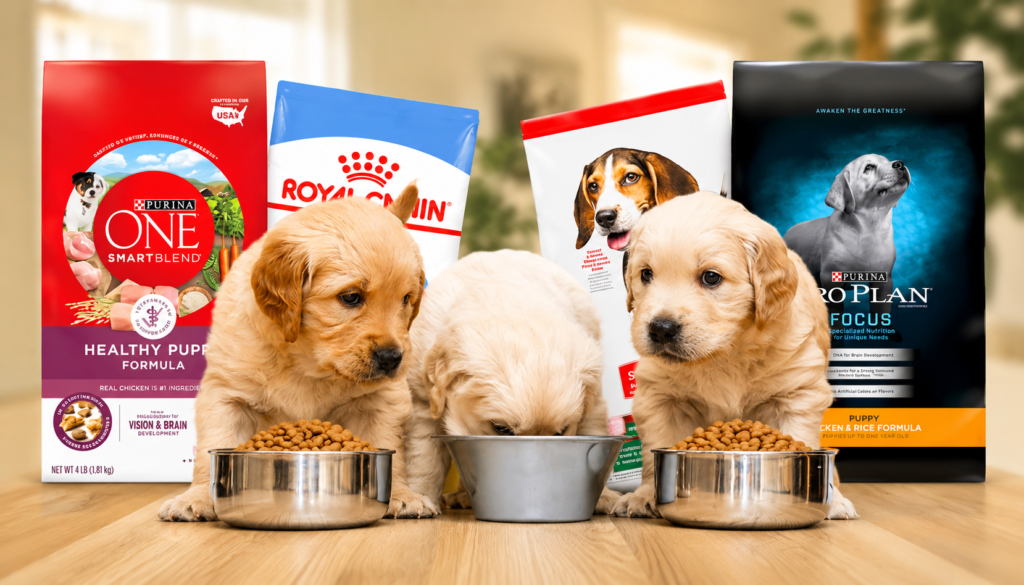
Choosing the right food for a growing puppy is one of the most important decisions a dog owner can make. Puppies grow rapidly during their first year, and their nutritional needs are different from those of adult dogs. This is why many owners search for vet recommended puppy food when deciding what to feed their young dogs.
The best vet recommended puppy food should provide balanced nutrition for growth and development. It should contain appropriate amounts of protein, fat, vitamins, minerals, and other essential nutrients. However, the right choice can vary depending on your puppy’s breed, size, age, activity level, and individual health needs.
In this guide, we will explain what makes vet recommended puppy food a good choice, what ingredients to look for, how to compare puppy foods, how much to feed, and what mistakes to avoid.
What Is Vet Recommended Puppy Food?
Vet recommended puppy food generally refers to puppy food that veterinarians may recommend because it provides appropriate nutrition for puppies or is formulated to meet recognized nutritional standards.
Veterinarians consider several factors when recommending puppy food. These can include the puppy’s age, breed size, growth rate, body condition, activity level, and health history.
A food that works well for one puppy may not necessarily be the best choice for another. For example, a large-breed puppy has different growth requirements from a small-breed puppy.
Therefore, choosing vet recommended puppy food should involve more than simply looking for the words “recommended” or “veterinarian” on a package.
Why Is Vet Recommended Puppy Food Important?
Puppies need proper nutrition because their bodies are developing quickly. Their bones, muscles, organs, immune system, and nervous system are still maturing.
Good vet recommended puppy food can help provide the nutrients required during this important stage of life.
Puppies generally require more energy per pound of body weight than adult dogs. They also need carefully balanced nutrients to support healthy development.
A suitable puppy diet can help support:
- Healthy growth
- Strong bones and teeth
- Muscle development
- Normal brain development
- Immune system function
- Healthy skin and coat
- Appropriate body condition
- Normal energy levels
This does not mean that the most expensive puppy food is automatically the best. Instead, owners should focus on nutritional adequacy, appropriate formulation, ingredient quality, and their puppy’s individual needs.
What Should You Look for in Vet Recommended Puppy Food?
When comparing vet recommended puppy food, start by checking whether the food is specifically formulated for puppies and whether it meets recognized nutritional requirements for growth.
Important factors include protein, fat, calcium, phosphorus, calories, and essential vitamins and minerals.
1. High-Quality Protein
Protein is an important part of a puppy’s diet because puppies use amino acids to build and maintain muscles and other tissues.
A good vet recommended puppy food should provide an appropriate amount of high-quality protein for the puppy’s growth stage.
Common protein sources may include:
- Chicken
- Turkey
- Beef
- Fish
- Lamb
- Eggs
- Other animal-based proteins
The specific protein source is less important than whether the complete diet provides appropriate nutrition.
2. Healthy Fats
Fat is an important source of concentrated energy for growing puppies.
Healthy fats can also provide essential fatty acids that support normal skin, coat, brain, and nervous system development.
When choosing vet recommended puppy food, check the guaranteed analysis and ingredient information to understand how the food is formulated.
3. DHA and Omega Fatty Acids
Many puppy foods contain DHA, an omega-3 fatty acid associated with brain and eye development.
Fish oil and certain other ingredients can provide omega-3 fatty acids.
This is one reason many owners look for vet recommended puppy food containing DHA when choosing a diet for a young puppy.
4. Balanced Calcium and Phosphorus
Calcium and phosphorus are particularly important for growing puppies because they are involved in bone development.
However, more is not always better.
Excessive supplementation can be inappropriate, especially for puppies that are genetically predisposed to rapid growth and orthopedic problems.
For this reason, owners should avoid adding calcium supplements to a complete puppy diet unless a veterinarian specifically recommends them.
Best Vet Recommended Puppy Food for Small Breeds
Small-breed puppies can have different nutritional needs from larger puppies.
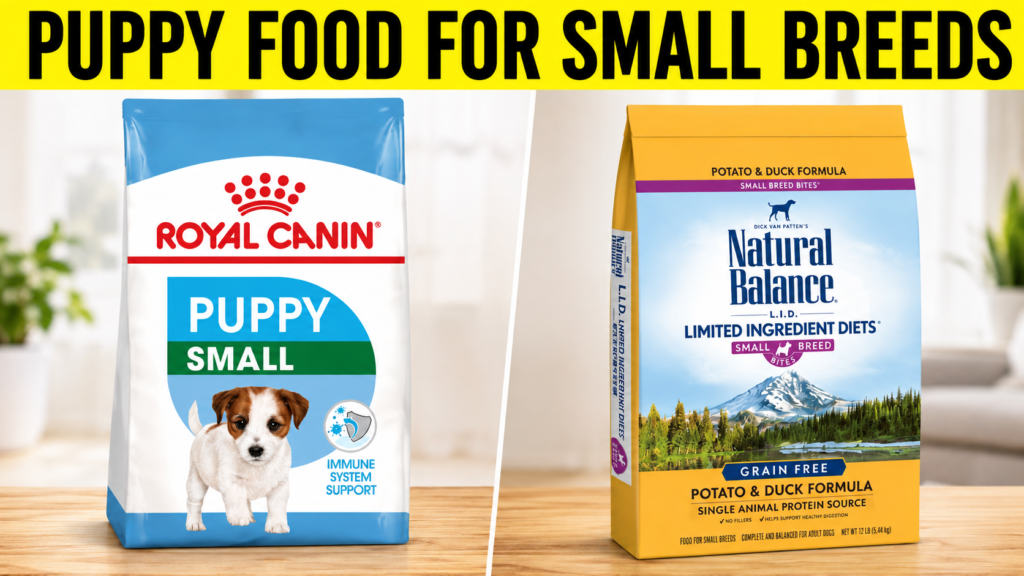
Because small dogs have smaller stomachs but can have relatively high energy requirements, small-breed puppy formulas are often designed to provide appropriate calories and nutrients in smaller portions.
When choosing vet recommended puppy food for a small breed, consider:
- Small kibble size
- Appropriate calorie density
- High-quality protein
- Balanced nutrients
- Proper feeding instructions
Examples of small breeds include Yorkshire Terriers, Chihuahuas, Pomeranians, Shih Tzus, and Maltese.
However, your veterinarian can help determine whether a particular formula is appropriate for your puppy.
Best Vet Recommended Puppy Food for Large Breeds
Large-breed puppies require special attention because growing too quickly can put unnecessary stress on developing bones and joints.
A vet recommended puppy food for large breeds should be formulated specifically for controlled growth.
Look for formulas labeled for large-breed puppies when appropriate.
Large-breed puppy food generally takes into account nutrient levels and calorie intake that are important during growth.
Breeds such as German Shepherds, Golden Retrievers, Labrador Retrievers, Great Danes, and Rottweilers may benefit from diets specifically formulated for large-breed growth.
Your veterinarian can recommend an appropriate diet based on your puppy’s expected adult size.
Wet vs Dry Vet Recommended Puppy Food
Both wet and dry puppy food can be suitable when they are complete and balanced for growth.
Dry Puppy Food
Dry food is convenient, easy to store, and simple to measure.
It is also usually more calorie-dense than canned food.
Many owners choose dry vet recommended puppy food because it is convenient for everyday feeding.
Wet Puppy Food
Wet food contains a higher percentage of water and can be appealing to puppies that are picky eaters.
It can also be useful for puppies that have difficulty chewing dry kibble.
Some owners combine wet and dry foods, but the total calories should still be monitored.
Can Puppies Eat Adult Dog Food?
Puppies generally should not be fed an adult maintenance diet as their primary food unless a veterinarian recommends it for a specific reason.
Puppies need nutrition designed for growth.
A suitable vet recommended puppy food should provide the nutrients required during development.
Adult dog food may not provide the same nutritional profile needed by a growing puppy.
If your puppy accidentally eats some adult dog food, this is usually not a reason to panic. The concern is primarily about feeding an inappropriate diet consistently over time.
How Much Vet Recommended Puppy Food Should You Feed?
The correct amount of vet recommended puppy food depends on several factors.
These include:
- Age
- Current weight
- Expected adult weight
- Breed
- Activity level
- Food calorie density
- Body condition
Always begin with the feeding guidelines on the food package, then adjust according to your puppy’s growth and body condition with guidance from your veterinarian.
Puppies commonly need multiple meals per day.
Very young puppies may need more frequent meals than older puppies.
Avoid automatically increasing food just because your puppy seems hungry. Some puppies are naturally enthusiastic eaters.
How Often Should Puppies Eat?
Young puppies typically benefit from several meals throughout the day.
A general pattern may look like this:
- Very young puppies: several small meals
- Older puppies: fewer meals as they mature
- Adolescent puppies: often transitioning toward an adult-style feeding schedule
The exact schedule should depend on your puppy’s age, breed, size, and individual needs.
A veterinarian can help you create an appropriate feeding schedule using the vet recommended puppy food you choose.
Signs Your Puppy Is Getting the Right Amount of Food
Monitoring body condition is more useful than simply following a fixed number of cups.
A healthy puppy should generally have steady growth without becoming excessively thin or overweight.
Signs that your feeding plan may need adjustment include:
- Rapid unexplained weight gain
- Excessive weight loss
- Poor growth
- Persistent digestive problems
- Low energy
- Changes in stool quality
If you notice significant changes, contact your veterinarian.
Can Vet Recommended Puppy Food Help With Sensitive Stomachs?
Some puppies have sensitive digestive systems and may experience occasional loose stools, gas, or vomiting.
In these situations, a veterinarian may recommend a specific diet.
A vet recommended puppy food for digestive sensitivity may contain carefully selected ingredients and be easier for some puppies to digest.
However, persistent vomiting, diarrhea, blood in stool, loss of appetite, weakness, or dehydration should not simply be treated by changing food. Puppies can become dehydrated quickly, so veterinary advice is important.
Vet Recommended Puppy Food for Allergies
Food allergies can occur in dogs, although they are not the most common cause of every digestive or skin problem.
If a veterinarian suspects a food allergy, they may recommend a controlled elimination diet.
This may involve feeding a specific veterinary diet for a set period and avoiding other foods, treats, and flavored products.
Randomly switching between different vet recommended puppy food products may make it harder to identify the actual cause of a problem.
What Ingredients Should Puppy Food Have?
A complete puppy diet should provide the nutrients needed for growth.
Depending on the formulation, puppy food may contain:
- Animal proteins
- Grains or other carbohydrate sources
- Healthy fats
- Fiber
- Vitamins
- Minerals
- Essential fatty acids
- Other nutritional ingredients
Do not judge a puppy food solely by the first few ingredients.
The overall nutritional formulation is more important than whether the food contains one particular trendy ingredient.
Are Grains Bad for Puppies?
Grains are not automatically bad for puppies.
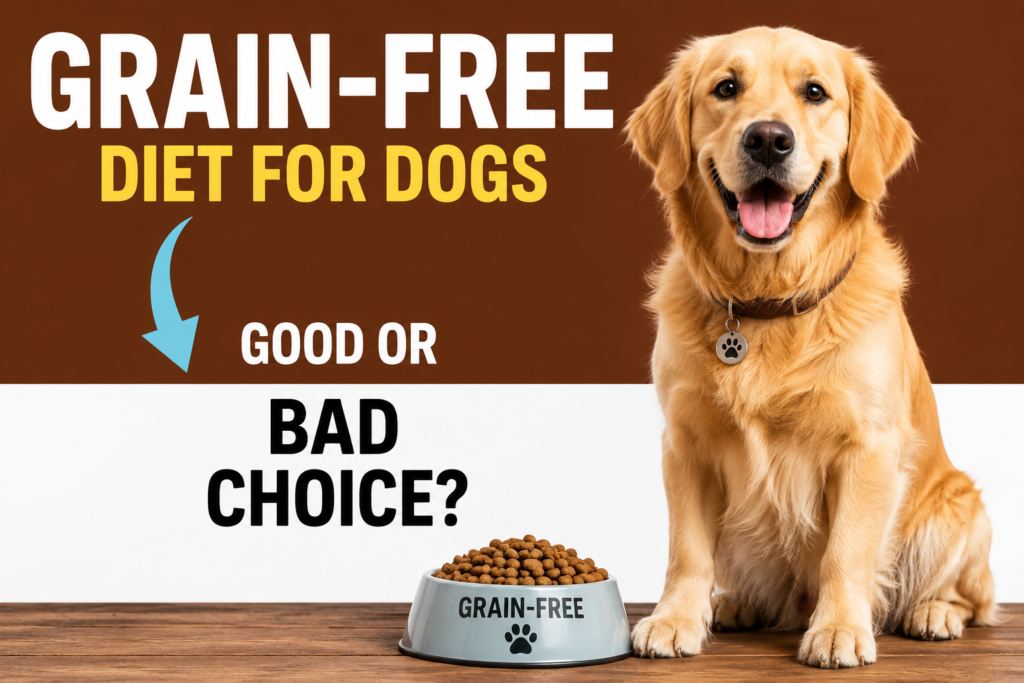
Ingredients such as rice, oats, barley, and corn can provide carbohydrates and other nutrients when appropriately included in a complete and balanced diet.
Some puppies may have specific dietary requirements, but most puppies do not need to avoid grains simply because they are present in the ingredient list.
When choosing vet recommended puppy food, focus on the complete nutritional profile rather than assuming grain-free automatically means healthier.
Is Grain-Free Puppy Food Better?
Grain-free does not automatically mean better.
Unless your veterinarian identifies a specific reason for a particular dietary approach, there is generally no need to choose a puppy food simply because it is grain-free.
The most important consideration is whether the food is nutritionally appropriate for your puppy.
If you are unsure, ask your veterinarian before making a major dietary change.
How to Switch to Vet Recommended Puppy Food
When changing your puppy’s food, a gradual transition is often easier on the digestive system.
You can slowly mix the new food with the old food over several days.
For example:
Days 1–2: Mostly old food with a small amount of new food.
Days 3–4: Increase the new food while reducing the old food.
Days 5–6: Mostly new food.
Day 7: Transition to the new food if your puppy is tolerating it well.
Some puppies may require a slower transition.
If your puppy develops significant digestive symptoms, contact your veterinarian.
Common Mistakes When Choosing Puppy Food
Even when searching for vet recommended puppy food, owners can make mistakes.
Choosing Food Only Because of the Price
Expensive food is not automatically better, and inexpensive food is not automatically poor quality.
Compare the nutritional adequacy and formulation instead.
Choosing Food Based Only on Marketing
Words such as “premium,” “natural,” or “holistic” do not automatically mean the food is best for your puppy. Always check the ingredients, nutritional information, and feeding guidelines instead of relying only on marketing claims.
Ignoring Breed Size
A Great Dane puppy and a Chihuahua puppy do not have identical nutritional requirements. Large-breed puppies need food specially formulated to support controlled growth, while small-breed puppies may need more calorie-dense nutrition.
Overfeeding
Too many calories can cause excessive weight gain and unhealthy growth, especially in puppies. Follow the recommended feeding amount and adjust portions as your puppy grows.
Adding Too Many Supplements
Adding extra vitamins or minerals to a complete puppy diet can cause nutritional imbalances. Only give supplements when they are recommended by a veterinarian.
Changing Food Too Frequently
Changing your puppy’s food too often can cause digestive problems such as diarrhea, gas, or an upset stomach. It is usually better to keep a consistent diet and change foods gradually when needed.
How to Choose the Best Vet Recommended Puppy Food
A practical approach is to consider these steps:
Step 1: Determine your puppy’s age and breed size.
Step 2: Choose food specifically formulated for growth.
Step 3: Check whether it is complete and balanced for puppies.
Step 4: Review feeding instructions and calorie information.
Step 5: Consider your puppy’s individual health needs.
Step 6: Monitor weight and body condition.
Step 7: Discuss significant dietary changes with your veterinarian.
This approach can help you select vet recommended puppy food based on your puppy’s actual needs rather than advertising claims.
Frequently Asked Questions About Vet Recommended Puppy Food
What is the best vet recommended puppy food?
There is no single puppy food that is best for every dog. The appropriate vet recommended puppy food depends on your puppy’s age, breed size, growth needs, health status, and individual circumstances.
Should puppies eat wet or dry food?
Both can be appropriate when they are complete and balanced for puppy growth. Some owners use dry food, some use wet food, and others combine both.
How long should a puppy eat puppy food?
Puppies generally remain on growth-formulated food until they reach physical maturity. Small breeds may mature earlier than large breeds.
Your veterinarian can help determine the appropriate transition time.
Can I mix different puppy foods?
Mixing foods may be possible, but you should account for total calories and nutritional balance. If your puppy has a sensitive stomach, frequent changes may cause digestive problems.
Should I add vitamins to puppy food?
If the food is complete and balanced, additional vitamins are generally unnecessary unless your veterinarian recommends them.
Is expensive puppy food always better?
No. Price alone does not determine nutritional quality. A more expensive puppy food is not always better, so focus on its ingredients, nutritional balance, and suitability for your puppy’s specific needs.
What if my puppy refuses its food?
A puppy that suddenly refuses food should be monitored carefully. If the loss of appetite continues or occurs with vomiting, diarrhea, weakness, pain, or other symptoms, contact your veterinarian.
VCA Animal Hospitals – Feeding Your Puppy
Final Thoughts on Vet Recommended Puppy Food
Choosing the right vet recommended puppy food can help support your puppy during one of the most important stages of life. The ideal food should provide complete and balanced nutrition appropriate for growth while matching your puppy’s breed size, energy requirements, and individual health needs.
Rather than choosing food based only on packaging or marketing claims, check the nutritional information and feeding guidelines. Consider whether the formula is designed for puppies and whether it is appropriate for your dog’s expected adult size.
Most importantly, remember that every puppy is different. If your puppy has allergies, digestive issues, unusual growth, a medical condition, or special nutritional needs, your veterinarian can provide personalized guidance.
With the right vet recommended puppy food, appropriate portions, regular monitoring, and professional veterinary care, you can give your puppy a strong nutritional foundation for a healthy life.