
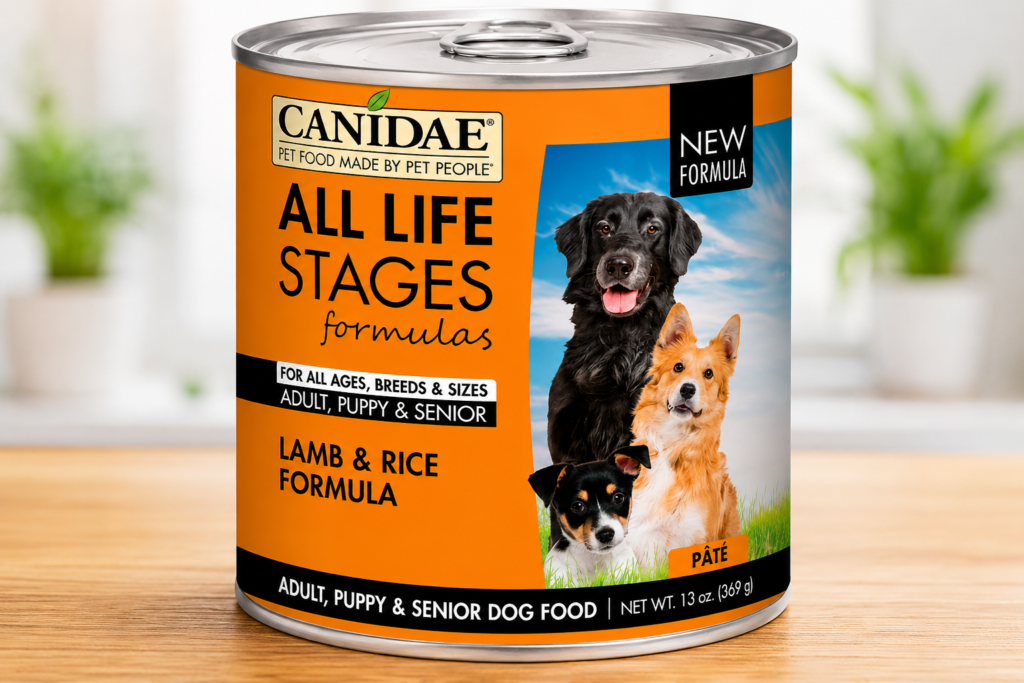
Choosing the right food for your dog is one of the most important decisions you can make as a pet owner. With so many options available, it can be difficult to understand the difference between puppy food, adult maintenance food, senior formulas, and all life stages dog food.
Many owners like the idea of using one food throughout different stages of a dog’s life. It can be convenient, especially for households with multiple dogs. But is this type of food actually suitable for puppies, adult dogs, and senior dogs?
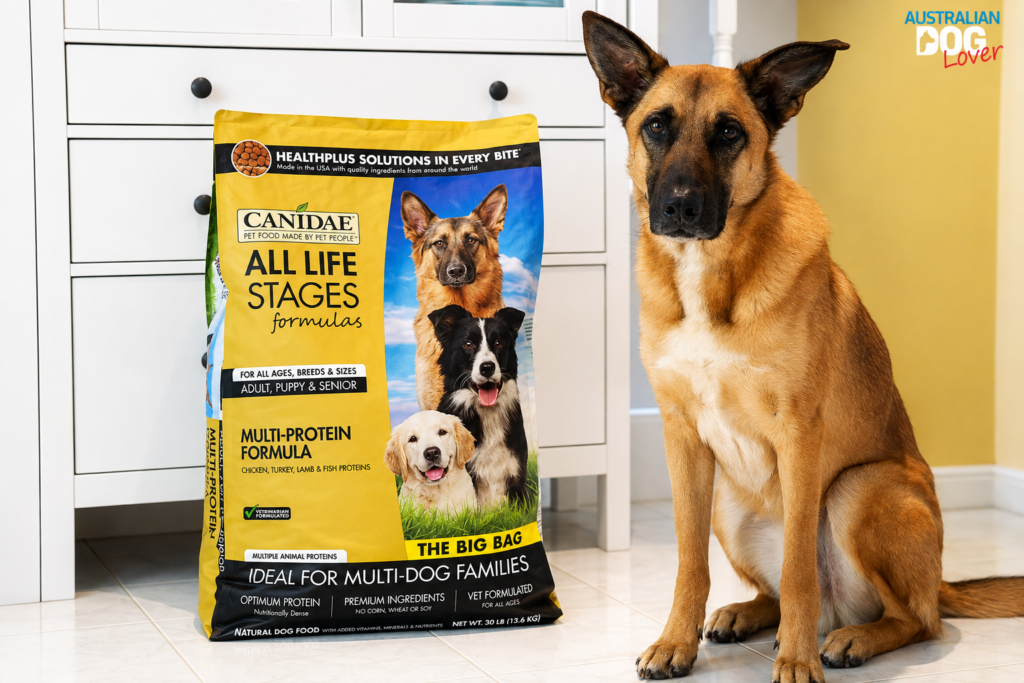
In this guide, we will explain what all life stages dog food means, how it works, who can eat it, how to choose it, and what you should consider before making it your dog’s regular diet.
What Is All Life Stages Dog Food?
All life stages dog food is a type of complete and balanced dog food designed to provide nutrition for multiple stages of a dog’s life.
Depending on the product, this can include nutritional requirements for growth, adult maintenance, pregnancy, and nursing.
Instead of being formulated for only one age group, this type of food is designed around the nutritional requirements of several life stages.
This can make it useful for households with dogs of different ages.
For example, if you have a puppy and an adult dog, you may prefer a diet that can appropriately meet the nutritional needs of both.
However, the fact that a food is suitable for multiple life stages does not mean that every dog should receive the same amount.
A puppy, adult dog, and senior dog can have very different calorie requirements.
How Does All Life Stages Dog Food Work?
Dogs need different amounts of nutrients depending on their stage of life.
Puppies are growing rapidly and require nutrition to support their developing bones, muscles, organs, and tissues.
Adult dogs are no longer growing and generally need nutrition that maintains their body weight, muscles, energy, and overall health.
Senior dogs may become less active and can experience changes in body weight, muscle mass, and metabolism.
A properly formulated multi-stage diet is designed to provide the nutrients needed across these different periods.
However, feeding amounts still need to be adjusted.
The same food may be suitable for several dogs, but the amount each dog needs can be completely different.
Is All Life Stages Dog Food Good for Puppies?
Yes, a properly formulated all life stages dog food can be appropriate for puppies when the product is complete and balanced for growth.
Puppies need a nutrient-rich diet because their bodies are developing quickly.
Good puppy nutrition supports:
- Healthy bone development
- Muscle growth
- Brain development
- Immune function
- Healthy organs
- Normal energy levels
- Overall growth
When selecting food for a puppy, don’t rely only on the words printed on the front of the package.
Check the nutritional adequacy statement.
This statement helps you determine whether the food is formulated to meet the nutritional requirements of growth.
What About Large-Breed Puppies?
Large-breed puppies need special consideration.
Because they grow rapidly, excessive or inappropriate nutrition can contribute to skeletal problems.
If you have a large-breed puppy, carefully check the feeding and nutritional information before choosing all life stages dog food.
Your veterinarian can also help you determine whether a particular formula is appropriate for your puppy’s expected adult size.
Can Adult Dogs Eat All Life Stages Dog Food?
Many healthy adult dogs can eat all life stages dog food if it is complete and balanced and the amount being fed matches their calorie requirements.
However, adult dogs may need fewer calories than growing puppies.
Some formulas designed to support growth can contain relatively high levels of nutrients and energy.
If an adult dog eats more calories than it uses, it may gain excess weight.
For this reason, portion control is extremely important.
When feeding an adult dog, monitor:
- Body weight
- Body condition
- Daily activity
- Appetite
- Energy level
- Treat intake
If your dog maintains a healthy weight and has good energy and digestion, the diet may be working well.
Is It Better Than Adult Maintenance Food?
Not necessarily.
An adult maintenance formula is designed specifically for mature dogs that have finished growing.
A multi-stage formula is designed to cover more than one stage, including growth.
Neither option is automatically better for every dog.
If you have a healthy adult dog with no special nutritional requirements, adult maintenance food may be a perfectly appropriate choice.
If you have dogs of different ages, however, all life stages dog food can offer greater convenience.
The best choice depends on your dog’s individual nutritional requirements.
Can Senior Dogs Eat All Life Stages Dog Food?
Some healthy senior dogs can eat a complete and balanced diet intended for multiple life stages.
However, senior dogs can have changing nutritional needs.
As dogs get older, they may become less active. Some gain weight, while others lose muscle or struggle to maintain their body condition.
Older dogs may also develop medical conditions that require specific nutritional management.
Therefore, all life stages dog food for senior dogs may be suitable in some situations, but it is not automatically the best option for every senior dog.
If your older dog has a medical condition or significant weight changes, speak with your veterinarian before changing its diet.
What Nutrients Does Dog Food Need?
A complete diet needs to provide a balanced combination of nutrients.
Important nutrients include:
- Protein
- Fat
- Carbohydrates
- Vitamins
- Minerals
- Essential fatty acids
- Water
Protein supports muscles and body tissues.
Fat provides concentrated energy and supports important body functions.
Vitamins and minerals help support normal biological processes.
The important thing is not simply having one particular ingredient but providing the correct balance of nutrients.
This is why a complete and balanced all life stages dog food should be evaluated as a whole rather than judged by one ingredient.
How to Read the Dog Food Label
Learning to read a dog food label can help you choose a better diet.
One of the most important parts of the package is the nutritional adequacy statement.
This can tell you whether the product is complete and balanced for:
- Growth
- Adult maintenance
- Gestation and lactation
- All life stages
You should also look at the feeding instructions and calorie content.
The ingredient list can provide useful information, but it should not be the only thing you consider.
When comparing all life stages dog food, look at the complete nutritional information rather than focusing only on individual ingredients.
How Much All Life Stages Dog Food Should You Feed?
There is no single feeding amount that is correct for every dog.
The amount depends on:
- Age
- Body weight
- Breed
- Activity level
- Metabolism
- Body condition
- Health
- Life stage
Start with the feeding guide provided by the manufacturer.
Then monitor your dog’s body condition and adjust portions if necessary.
Puppies may need more food as they grow, while adult dogs may require fewer calories if they become less active.
Therefore, you should not assume that your dog will need exactly the same amount of all life stages dog food throughout its entire life.
Can It Cause Weight Gain?
Can It Cause Weight Gain?
Any food can contribute to weight gain when a dog consumes more calories than their body needs. This means all life stages dog food can potentially lead to weight gain if your dog is eating portions that are larger than their individual energy requirements.
However, this does not necessarily mean that all life stages dog food is unhealthy or unsuitable for your dog. The main concern is usually the total number of calories your dog consumes each day compared with how many calories they burn through normal activity, exercise, and daily body functions.
Portion size is especially important for dogs that are less active, older, overweight, or prone to gaining weight easily. Feeding too much all life stages dog food over time can gradually increase your dog’s calorie intake and cause unwanted weight gain.
Treats, snacks, table food, dental chews, and other extras can also add a significant number of calories to your dog’s daily diet. Even if the main food is properly balanced, these additional calories can contribute to weight gain when they are not included in the overall daily calorie intake.
If your dog is gaining weight, look at the entire diet and daily activity level rather than blaming one ingredient or the food itself. Check portion sizes, treats, exercise, and feeding habits, and consider speaking with your veterinarian if you are unsure how much all life stages dog food your dog should receive each day.
Benefits of All Life Stages Dog Food
There are several potential benefits to using this type of food.
Convenient for Multi-Dog Households
If you have dogs of different ages, using one suitable formula can make daily feeding much easier. Instead of measuring and storing several different types of food, you may be able to use the same all life stages dog food for multiple dogs, depending on their individual nutritional needs.
Supports Multiple Life Stages
An all life stages dog food formula is designed to provide balanced nutrition for more than one recognized stage of a dog’s life. These formulas may be appropriate for growing puppies, adult dogs, and sometimes pregnant or nursing dogs when the product is specifically formulated to meet their higher nutritional requirements.
Easier Shopping
One potential advantage is that you may not need to purchase separate bags of food for every dog in your household. Having one suitable all life stages dog food can make grocery shopping simpler and may also reduce the need to keep track of several different food formulas.
Simpler Storage
Keeping one main food in the home can make storage and meal preparation more convenient. You have fewer bags to organize, fewer labels to check, and less chance of accidentally feeding one dog the wrong food. This can be especially helpful in busy multi-dog households.
Useful for Some Puppies and Adults
A properly formulated all life stages dog food can provide balanced nutrition for both growing puppies and mature adult dogs. However, the amount each dog needs can still be different based on age, size, activity level, body condition, and health. Puppies may require more calories and nutrients for growth, while adult dogs may need carefully controlled portions to maintain a healthy weight.
Potential Disadvantages
There are also situations where this type of food may not be ideal.
Different Dogs Have Different Needs
A highly active dog and a sedentary dog may require very different amounts of energy.
Weight Management Can Be Difficult
Some dogs may gain weight if they receive too many calories.
Medical Conditions May Require Special Diets
A dog with certain health problems may need a veterinarian-recommended diet.
Large-Breed Puppies Need Careful Selection
Not every multi-stage formula is necessarily appropriate for every large-breed puppy.
All Life Stages Dog Food for Pregnant Dogs
Pregnancy and nursing increase a dog’s nutritional requirements.
A properly formulated all life stages dog food may be suitable for pregnant and nursing dogs when the nutritional adequacy statement supports gestation and lactation.
Nursing mothers can have particularly high energy requirements, especially when feeding several puppies.
For this reason, pregnant and nursing dogs should receive carefully planned nutrition.
If your dog is pregnant or nursing, ask your veterinarian about feeding amounts and nutritional requirements.
Can You Feed It Long Term?
A complete and balanced diet can potentially be fed long term when it continues to meet your dog’s nutritional needs.
However, your dog’s nutritional requirements can change with age.
A puppy becomes an adult.
An active adult may become less active.
A senior dog may develop a health condition.
Therefore, even if your dog has done well on the same all life stages dog food for years, continue monitoring its health and body condition.
Pay attention to:
- Weight
- Muscle condition
- Appetite
- Energy
- Stool quality
- Skin and coat
- Activity level
Changes in these areas may indicate that your dog’s diet needs to be reassessed.
How to Choose the Best All Life Stages Dog Food
When looking for the best all life stages dog food, don’t choose a product simply because its packaging looks appealing.
Instead, examine the nutritional information.
Check the Nutritional Adequacy Statement
Make sure the food is complete and balanced for the life stage your dog needs.
Check Calorie Content
Calories are important for maintaining a healthy body weight.
Read Feeding Instructions
Use the manufacturer’s instructions as a starting point.
Consider Your Dog’s Size
Small dogs, medium dogs, and large dogs can have different nutritional requirements.
Consider Activity Level
An active working dog may need more calories than a dog that spends most of its day resting.
Consider Health
Dogs with medical conditions may require specialized diets.
How to Switch to a New Dog Food
If you decide to switch your dog to all life stages dog food, make the transition gradually.
A sudden diet change can cause digestive upset in some dogs.
You can begin by mixing a small amount of the new food with your dog’s current food.
Gradually increase the amount of new food while decreasing the old food over several days.
Monitor your dog for:
- Diarrhea
- Vomiting
- Gas
- Reduced appetite
- Changes in stool
- Other digestive problems
If digestive problems continue or become severe, contact your veterinarian.
Frequently Asked Questions
What does all life stages mean on dog food?
It means the food is formulated to meet nutritional requirements for multiple stages of a dog’s life.
Is all life stages dog food good for puppies?
It can be appropriate for puppies when it is complete and balanced for growth and suitable for the puppy’s individual needs.
Can adult dogs eat it every day?
Healthy adult dogs can often eat it every day when the food is complete and balanced and the portion is appropriate.
Can senior dogs eat it?
Some healthy senior dogs can eat it, but older dogs may have different calorie and health requirements.
Is it the same as puppy food?
No. Puppy food is specifically formulated and marketed for growing dogs, while a multi-stage formula is designed to support several life stages.
Is it suitable for large-breed puppies?
Some formulas can be suitable, but large-breed puppies require careful attention to nutritional and feeding recommendations.
Can it cause obesity?
The food itself does not automatically cause obesity. Excess calorie intake is the main concern.
Can pregnant dogs eat it?
Some properly formulated products can be appropriate during pregnancy and nursing when their nutritional adequacy statement supports those life stages.
Should I change food when my puppy becomes an adult?
Not necessarily. The right choice depends on the nutritional profile of the food and your dog’s individual needs.
Final Thoughts
All life stages dog food can be a convenient and nutritionally complete option for many healthy dogs. It can be particularly useful in households where dogs of different ages live together.
However, “all life stages” does not mean that every dog has exactly the same nutritional requirements.
Puppies need nutrition to support healthy growth. Adult dogs need nutrition that maintains their body and activity. Senior dogs may need adjustments based on their weight, activity level, and health.
Before choosing all life stages dog food, check the nutritional adequacy statement, feeding instructions, calorie content, and any recommendations related to your dog’s size.
Most importantly, monitor your dog’s body condition and overall health.
If your dog is growing rapidly, pregnant, nursing, elderly, overweight, underweight, or has a medical condition, speak with a veterinarian about the most appropriate diet.
The goal is not simply to find a food that claims to work for every age. The goal is to provide your individual dog with complete and balanced nutrition that matches its current needs.