
Many dog owners are choosing homemade meals because they want greater control over the quality of ingredients their pets eat. Preparing food at home allows you to avoid unnecessary fillers, preservatives, and artificial additives while tailoring meals to your dog’s individual needs. However, making a balanced homemade diet also raises many important nutrition questions. One of the most common is: Do dogs need salt in homemade food?
The short answer is yes—but only in very small amounts. Salt contains sodium, an essential mineral that helps support many important body functions in dogs. However, dogs require far less sodium than humans, and adding too much salt to homemade meals can lead to serious health problems.
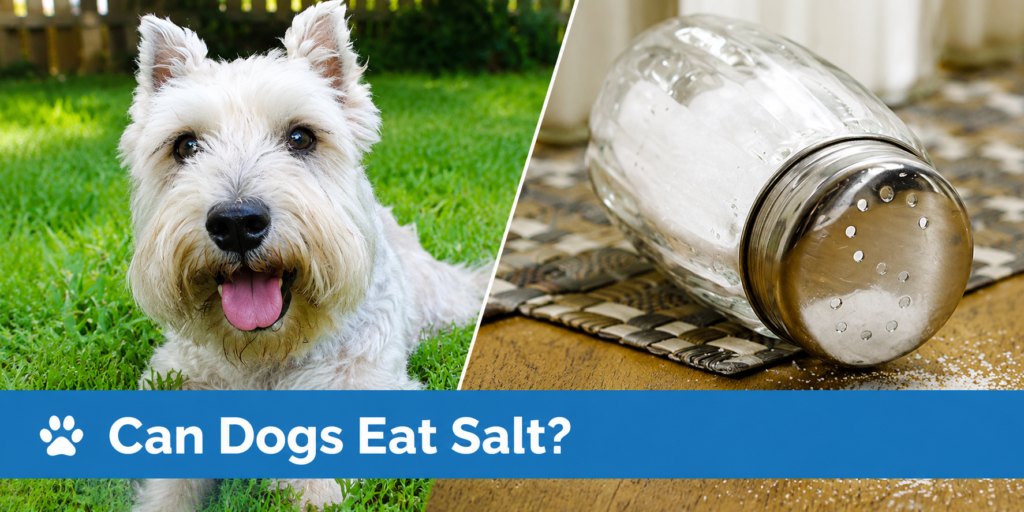
Understanding how much sodium dogs actually need, when salt may be beneficial, and when it becomes dangerous is essential for anyone preparing homemade dog food. In this guide, you’ll learn everything you need to know about do dogs need salt in homemade food, including sodium requirements, health benefits, risks of excess salt, symptoms of salt poisoning, and expert feeding recommendations.
Why Is Salt Important for Dogs?
Many people believe that all salt is harmful to dogs, but that isn’t entirely true. If you’re wondering, do dogs need salt in homemade food, the answer is that sodium is one of the body’s essential electrolytes. Every healthy dog requires a small amount of sodium each day to maintain normal bodily functions. However, do dogs need salt in homemade food depends on the overall diet, and most homemade meals provide enough sodium through their ingredients without adding extra s
When asking do dogs need salt in homemade food, it’s important to understand that sodium performs several critical roles in a dog’s body.
These include:
- Maintaining proper fluid balance
- Supporting healthy nerve function
- Helping muscles contract normally
- Regulating blood pressure
- Assisting nutrient absorption
- Supporting kidney function
- Maintaining acid-base balance
Without adequate sodium, a dog’s body cannot function efficiently. Fortunately, only a very small amount is needed.
Do Dogs Need Salt in Homemade Food?
The answer is yes, but only in moderation.
If you’re wondering do dogs need salt in homemade food, remember that most fresh ingredients naturally contain sodium. Meat, fish, eggs, and certain vegetables already provide enough sodium for many healthy dogs.
In most homemade diets, additional table salt is unnecessary unless recommended by a veterinarian or veterinary nutritionist. Do dogs need salt in homemade food? In most cases, the answer is no because the natural ingredients usually provide enough sodium for a healthy dog. Adding extra salt simply because humans season their own meals is never a good idea. Understanding do dogs need salt in homemade food can help you prepare balanced meals while avoiding unnecessary health risks.
How Much Sodium Does a Dog Actually Need?
Dogs require significantly less sodium than humans.
The exact amount depends on factors such as:
- Age
- Body weight
- Activity level
- Health condition
- Breed
- Diet composition
Healthy commercial dog foods are carefully formulated to meet established nutritional guidelines, including sodium requirements. When preparing homemade meals, the goal is to provide balanced nutrition—not to imitate human recipes. Do dogs need salt in homemade food? For most healthy dogs, the answer is no because natural ingredients usually supply enough sodium. Understanding do dogs need salt in homemade food helps pet owners avoid adding unnecessary salt while ensuring their dog’s diet remains balanced and nutritious.
Natural Sources of Sodium in Homemade Dog Food
Many ingredients commonly used in homemade dog food already contain sodium naturally.
Examples include:
- Chicken
- Turkey
- Beef
- Lamb
- Fish
- Eggs
- Cottage cheese
- Yogurt
- Bone broth (low sodium)
- Organ meats
Because these foods naturally contain sodium, many homemade meals already provide enough for healthy dogs.
This is one of the main reasons veterinarians often answer do dogs need salt in homemade food with “not usually.”
What Happens If Dogs Don’t Get Enough Sodium?
Although sodium deficiency is uncommon, it can occur under certain circumstances.
Possible causes include:
- Extremely unbalanced homemade diets
- Prolonged vomiting
- Severe diarrhea
- Certain kidney disorders
- Addison’s disease
- Excessive water intake
Symptoms may include:
- Weakness
- Lethargy
- Muscle cramps
- Poor appetite
- Confusion
- Low blood pressure
- Loss of coordination
These symptoms require veterinary attention because electrolyte imbalances can become serious if left untreated.
Is Too Much Salt Dangerous for Dogs?
Yes.
While many owners ask do dogs need salt in homemade food, an equally important question is how much salt is too much.
Excess sodium forces the body to retain water. This increases thirst and places additional stress on the kidneys and heart.
Large amounts of salt may lead to:
- Dehydration
- High blood pressure
- Kidney strain
- Heart complications
- Electrolyte imbalance
- Salt poisoning
Dogs are much more sensitive to excessive sodium than people.
What Is Salt Poisoning?
Salt poisoning—also called sodium ion toxicosis—occurs when a dog consumes an excessive amount of sodium. Understanding do dogs need salt in homemade food is important because adding unnecessary salt can increase the risk of sodium ion toxicosis and other serious health problems.
This condition is considered a veterinary emergency.
Common causes include:
- Eating large amounts of table salt
- Homemade play dough
- Saltwater
- Rock salt
- Salty snacks
- Seasoned meats
- Excessively salted homemade meals
Without prompt treatment, salt poisoning can become life-threatening.
Signs of Salt Poisoning in Dogs
Knowing the warning signs can help save your dog’s life.
Symptoms include:
- Extreme thirst
- Frequent urination
- Vomiting
- Diarrhea
- Weakness
- Loss of appetite
- Tremors
- Muscle twitching
- Loss of coordination
- Confusion
- Seizures
- Collapse
If your dog shows any of these symptoms after eating something salty, contact your veterinarian immediately. Understanding do dogs need salt in homemade food can help prevent excessive sodium intake and reduce the risk of serious health complications.
Which Dogs Should Avoid Extra Salt?
Some dogs should follow lower-sodium diets than healthy adult dogs.
Veterinarians often recommend sodium restriction for dogs with:
- Heart disease
- Kidney disease
- Liver disease
- High blood pressure
- Fluid retention
- Certain endocrine disorders
For these dogs, even small amounts of unnecessary salt may worsen their condition.
Can Puppies Eat Homemade Food Without Salt?
Puppies have different nutritional requirements than adult dogs because they are still growing. While sodium is important for healthy development, puppies generally receive enough from properly balanced ingredients.
If you’re wondering do dogs need salt in homemade food during the puppy stage, the answer is still the same—avoid adding extra table salt unless your veterinarian specifically recommends it.
A balanced homemade puppy diet should include:
- High-quality protein
- Healthy fats
- Calcium and phosphorus in the correct ratio
- Vitamins and minerals
- Natural sources of sodium
Never prepare homemade puppy food without consulting your veterinarian or a board-certified veterinary nutritionist.
Is Sea Salt Better Than Table Salt?
Many pet owners believe sea salt, Himalayan pink salt, or Celtic salt is healthier than regular table salt.
However, for dogs, there is very little difference.
All of these salts contain sodium, and consuming too much sodium can still be harmful.
Whether it comes from:
- Table salt
- Sea salt
- Himalayan pink salt
- Kosher salt
Dogs still need only a small amount.
So when asking do dogs need salt in homemade food, remember that changing the type of salt does not make it safer.
Can Dogs Eat Salty Human Foods?
Many human foods contain far more sodium than dogs need.
Avoid feeding:
- Potato chips
- Pretzels
- Salted popcorn
- Processed meats
- Bacon
- Sausages
- Ham
- Salted peanuts
- Fast food
- Pizza
- Instant noodles
These foods may contain unhealthy levels of sodium, fat, and seasonings that can upset your dog’s digestive system.
Best Ingredients for Homemade Dog Food
Instead of adding salt, focus on nutritious ingredients that naturally support your dog’s health.
Healthy protein sources include:
- Chicken breast
- Turkey
- Lean beef
- Lamb
- Salmon
- Sardines
- Eggs
Healthy vegetables include:
- Carrots
- Green beans
- Pumpkin
- Spinach (in moderation)
- Broccoli
- Sweet potatoes
Healthy carbohydrates include:
- Brown rice
- Oats
- Quinoa
- Barley
Healthy fats include:
- Fish oil
- Flaxseed oil
- Coconut oil (small amounts)
These ingredients provide balanced nutrition without the need for excessive salt.
Homemade Dog Food Recipe (Low Sodium)
Here’s a simple homemade meal for healthy adult dogs.
Ingredients
- 2 cups cooked chicken breast
- 1 cup cooked brown rice
- ½ cup carrots
- ½ cup green beans
- ¼ cup pumpkin puree
- 1 teaspoon fish oil (if recommended by your veterinarian)
Instructions
- Cook the chicken thoroughly.
- Steam the vegetables until soft.
- Cook the brown rice.
- Mix everything together.
- Allow the food to cool before serving.
Do not add table salt, onions, garlic, or spicy seasonings.
Common Mistakes When Preparing Homemade Dog Food
Many owners accidentally make nutritional mistakes.
Avoid these common errors:
- Adding salt for flavor
- Feeding seasoned leftovers
- Using processed meats
- Forgetting calcium supplementation
- Feeding too much liver
- Using onions or garlic
- Ignoring portion sizes
- Feeding the same recipe every day
A balanced diet is more important than simply using fresh ingredients.
Signs Your Homemade Diet Needs Improvement
Watch for these warning signs:
- Poor coat quality
- Weight loss
- Weight gain
- Digestive upset
- Low energy
- Excessive thirst
- Dry skin
- Frequent infections
If these symptoms appear, your dog’s diet may need adjustment.
Tips for Feeding Homemade Dog Food Safely
Follow these expert tips:
- Use fresh ingredients.
- Cook meat thoroughly unless advised otherwise.
- Avoid excess salt.
- Avoid harmful seasonings.
- Measure portions carefully.
- Store leftovers safely.
- Introduce new foods gradually.
- Schedule regular veterinary checkups.
Frequently Asked Questions
Do dogs need salt in homemade food every day?
No. Most healthy dogs receive enough sodium from meat, eggs, fish, and other natural ingredients. Extra table salt is usually unnecessary.
Can dogs eat homemade food with no added salt?
Yes. If you’re wondering Do Dogs Need Salt in Homemade Food, the answer is that healthy dogs can safely eat homemade meals with no added salt. Balanced ingredients such as lean meat, vegetables, and grains usually provide enough natural sodium to meet a dog’s nutritional needs without adding extra salt.
Is Himalayan salt healthier for dogs?
No. If you’re asking Do Dogs Need Salt in Homemade Food, Himalayan salt is not a healthier choice for dogs. Although it is often marketed as a more natural alternative, it still contains sodium and provides no proven health benefits for dogs. Most homemade dog food already contains enough natural sodium from its ingredients, so adding Himalayan salt is unnecessary and may increase the risk of excessive sodium intake.
What happens if my dog eats too much salt?
Too much salt may cause excessive thirst, vomiting, diarrhea, tremors, seizures, dehydration, and salt poisoning. Contact your veterinarian immediately if you suspect your dog has consumed a large amount of salt.
Can dogs eat salted chicken?
No. Plain cooked chicken is much safer. If you’re wondering Do Dogs Need Salt in Homemade Food, the answer is that dogs do not need extra salt added to their meals. Avoid seasoning chicken with salt, garlic, onions, or spices, as these ingredients can be harmful to your dog’s health. Plain, fully cooked chicken is the safest option for homemade dog food.
Should senior dogs eat less salt?
Many senior dogs, especially those with heart or kidney disease, benefit from controlled sodium intake. Always follow your veterinarian’s advice.
Too much salt may cause excessive thirst, vomiting, diarrhea, tremors, seizures, dehydration, and salt poisoning. Contact your veterinarian immediately if you suspect your dog has consumed a large amount of salt.
Final Thoughts
So, do dogs need salt in homemade food? The answer is yes—but only in very small amounts that are naturally present in healthy ingredients. Most homemade diets prepared with fresh meat, eggs, fish, and vegetables already contain enough sodium to support normal body functions.
Adding extra table salt is rarely necessary and may increase the risk of dehydration, high blood pressure, kidney strain, and salt poisoning. Instead of focusing on salt, provide your dog with a balanced diet that includes high-quality protein, healthy carbohydrates, dog-safe vegetables, and essential vitamins and minerals.
If you’re preparing homemade meals regularly, work with your veterinarian or a board-certified veterinary nutritionist to ensure your dog’s nutritional needs are fully met. A properly balanced homemade diet will support healthy muscles, strong bones, a shiny coat, good digestion, and long-term overall health without relying on unnecessary added salt.