
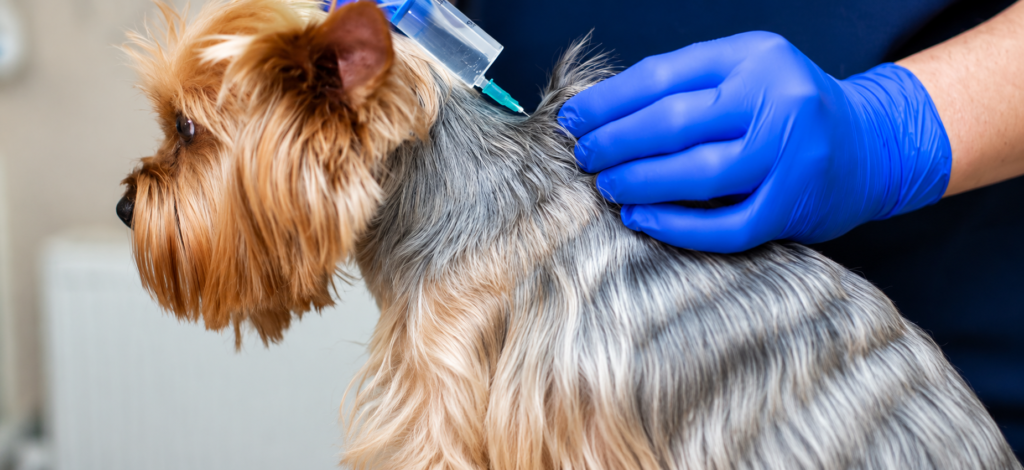
Keeping your dog healthy and protected starts with proper vaccination. Many new dog owners ask, “What vaccinations do dogs need?” The answer depends on your dog’s age, lifestyle, location, and risk of exposure to different diseases. Vaccines help protect dogs from dangerous and sometimes deadly illnesses while also preventing the spread of infections to other animals and humans.
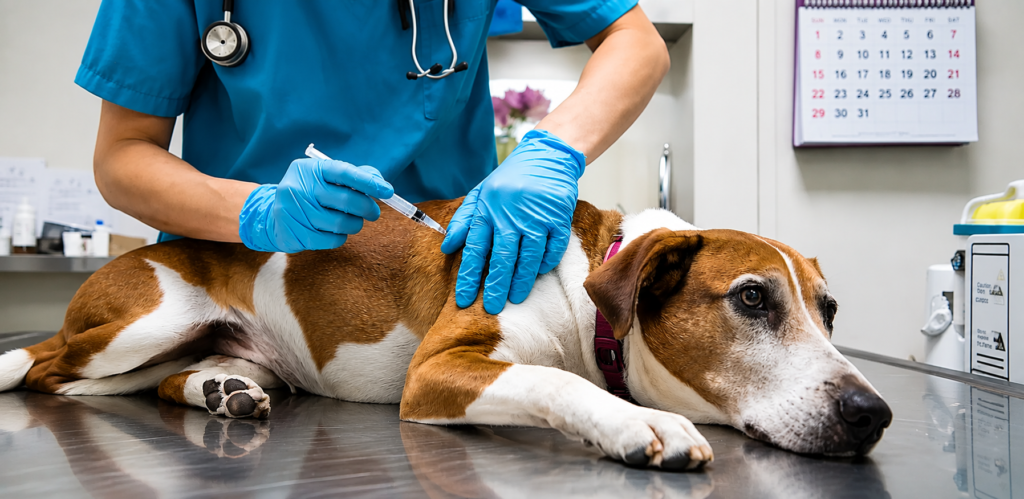
A proper vaccination schedule is one of the most important parts of responsible dog ownership. If you are wondering, What Vaccinations Do Dogs Need, understanding which vaccines your dog needs and when they should receive them can help protect your furry friend from serious diseases. Whether you have a new puppy or an adult dog, following the right vaccination schedule can help your dog live a longer, healthier, and happier life.
Why Are Dog Vaccinations Important?
Dog vaccinations strengthen your pet’s immune system by preparing the body to fight specific diseases. Without vaccines, dogs are more vulnerable to serious infections that can cause severe illness or even death.
Vaccinations are important because they:
- Protect dogs from life-threatening diseases
- Reduce the spread of infections
- Help puppies develop strong immunity
- Protect other pets and people from certain diseases
- Support overall long-term health
Many diseases that vaccines prevent are difficult and expensive to treat, making prevention the best option.
What Vaccinations Do Dogs Need?
What vaccinations do dogs need? Dogs usually need a combination of core vaccines and non-core vaccines. Core vaccines are recommended for almost all dogs because they protect against serious and potentially fatal diseases. Non-core vaccines depend on your dog’s lifestyle, age, location, and exposure risks. Your veterinarian can help determine what vaccinations do dogs need based on your dog’s individual health and daily activities.
Core Vaccines Every Dog Needs
Core vaccines are considered essential because they protect against common and dangerous diseases.
1. Rabies Vaccine
The rabies vaccine is one of the most important vaccinations for dogs. If you’re wondering what vaccinations do dogs need, rabies vaccination should always be at the top of the list. Rabies is a deadly viral disease that affects the nervous system and can spread from animals to humans. Understanding what vaccinations do dogs need helps ensure your dog stays protected and meets local vaccination requirements.
Most dogs receive their first rabies vaccine when they are around 12 to 16 weeks old. After the first shot, booster vaccinations are required according to local laws and veterinary recommendations.
Rabies vaccination helps:
- Protect dogs from rabies infection
- Protect humans from exposure
- Meet legal vaccination requirements
Many dog owners also ask, “How often do dogs need rabies vaccine?” The answer depends on the type of vaccine used and local regulations. Some rabies vaccines are given yearly, while others may last for three years.
2. Distemper Vaccine
Canine distemper is a serious viral disease that affects a dog’s respiratory, digestive, and nervous systems.
Symptoms may include:
- Fever
- Coughing
- Eye discharge
- Vomiting
- Seizures
- Weakness
The distemper vaccine is usually included in the DHPP or DAPP combination vaccine.
3. Parvovirus Vaccine
Canine parvovirus is a highly contagious disease that mainly affects puppies but can also infect adult dogs.
Symptoms include:
- Severe vomiting
- Bloody diarrhea
- Loss of appetite
- Extreme weakness
- Dehydration
Parvovirus can be fatal, especially in young puppies, which is why vaccination is extremely important.
4. Adenovirus (Canine Hepatitis) Vaccine
If you’re wondering what vaccinations do dogs need, the adenovirus vaccine is one of the core vaccines recommended for most dogs. It protects against infectious canine hepatitis, a disease that affects the liver and other organs. This vaccine is usually included in combination vaccines given during puppy vaccination schedules.
5. Parainfluenza Vaccine
Parainfluenza is a respiratory infection that can contribute to kennel cough. Dogs that frequently interact with other dogs may have a higher risk. If you’re researching what vaccinations do dogs need, the parainfluenza vaccine is commonly recommended for dogs that visit boarding facilities, dog parks, or daycare centers. This vaccine is often included in combination vaccines or kennel cough prevention programs. Understanding what vaccinations do dogs need helps you choose the right protection based on your dog’s lifestyle.
Non-Core Vaccines Dogs May Need
Non-core vaccines are recommended based on your dog’s lifestyle, environment, and risk factors.
1. Bordetella Vaccine (Kennel Cough)
Dogs that visit:
- Dog parks
- Boarding facilities
- Groomers
- Training classes
may benefit from the Bordetella vaccine.
Kennel cough spreads easily between dogs and can cause coughing and respiratory problems.
2. Leptospirosis Vaccine
f you’re wondering what vaccinations do dogs need, the leptospirosis vaccine may be recommended depending on your dog’s lifestyle and environment. Leptospirosis is a bacterial disease that can spread through contaminated water, soil, and urine from infected animals. Dogs that spend time outdoors, hiking, on farms, or near wildlife have a higher risk of exposure, making this vaccine an important non-core vaccination for many pets.
3. Lyme Disease Vaccine
Dogs living in areas with many ticks may need the Lyme disease vaccine. Tick prevention is still important because vaccines do not replace regular tick control. When considering what vaccinations do dogs need, your veterinarian may recommend the Lyme disease vaccine based on your dog’s lifestyle and risk of tick exposure.
4. Canine Influenza Vaccine
The canine influenza vaccine may be recommended for dogs that frequently interact with large groups of animals. What vaccinations do dogs need can vary depending on your dog’s daily activities, and this vaccine is often advised for dogs that attend daycare, boarding facilities, dog shows, or training classes.
Puppy Vaccination Schedule
Puppies need several vaccines because their immune systems are still developing.
A typical puppy vaccination schedule looks like this:
6–8 Weeks Old
Puppies usually receive:
- Distemper vaccine
- Parvovirus vaccine
- Combination vaccines
10–12 Weeks Old
Puppies may receive:
- DHPP booster
- Additional recommended vaccines
12–16 Weeks Old
Puppies usually receive:
- Rabies vaccine
- Final puppy vaccine boosters
Your veterinarian may adjust the schedule depending on your puppy’s health and risk factors.
Adult Dog Vaccination Schedule
Adult dogs also need regular booster shots to maintain protection.
Most adult dogs need:
- Rabies boosters according to local laws
- DHPP boosters as recommended by veterinarians
- Lifestyle-based vaccines when needed
Regular veterinary checkups help determine which vaccines your adult dog requires.
How Much Do Dog Vaccinations Cost?
The cost of dog vaccinations varies depending on:
- Location
- Type of vaccine
- Veterinary clinic
- Number of vaccines needed
Basic vaccines are usually affordable compared to the cost of treating serious diseases. Investing in prevention can save money and protect your dog’s health. Understanding what vaccinations do dogs need helps you plan your dog’s healthcare while reducing the risk of costly illnesses in the future.
Are Dog Vaccines Safe?
Yes, vaccines are generally safe for most dogs. Some dogs may experience mild side effects after vaccination, such as:
- Slight tiredness
- Mild fever
- Soreness at the injection site
- Reduced appetite for a short time
Serious reactions are rare, but you should contact your veterinarian if your dog shows severe symptoms after vaccination.
What Happens If a Dog Is Not Vaccinated?
An unvaccinated dog has a higher risk of catching dangerous diseases. Without vaccines, dogs may become seriously ill from infections that could have been prevented. Understanding what vaccinations do dogs need is essential for protecting your dog from preventable illnesses and supporting a long, healthy life.
Risks of not vaccinating include:
- Increased chance of deadly diseases
- Higher medical costs
- Risk of spreading infections
- Legal problems with required vaccines like rabies
Frequently Asked Questions (FAQs)
What vaccinations do dogs need every year?
Some vaccines may require yearly boosters, while others provide protection for multiple years. Your veterinarian can recommend the best schedule based on your dog’s needs.
What vaccines do puppies need first?
If you’re wondering what vaccinations do dogs need, the leptospirosis vaccine is one of the important non-core vaccines your veterinarian may recommend. It helps protect dogs from leptospirosis, a bacterial disease that can spread through contaminated water, soil, and urine from infected animals. Dogs that spend time outdoors, hiking, on farms, or near wildlife have a higher risk of exposure, making this vaccine an important part of what vaccinations do dogs need for active and adventurous dogs.
Do indoor dogs need vaccinations?
Yes. Indoor dogs still need vaccinations because diseases can enter through people, other animals, or outdoor exposure.
How often do dogs need rabies shots?
Rabies vaccine frequency depends on local laws and the vaccine type. Some dogs need yearly boosters, while others may receive three-year vaccines.
Can vaccinated dogs still get sick?
Vaccines greatly reduce the risk of disease but do not guarantee 100% protection. Vaccinated dogs usually experience milder symptoms if exposed.
American Veterinary Medical Association (AVMA)
Final Thoughts
Understanding what vaccinations do dogs need is essential for keeping your pet healthy and protected. Core vaccines like rabies, distemper, parvovirus, and adenovirus are important for nearly all dogs, while additional vaccines depend on your dog’s lifestyle and environment.
A regular vaccination schedule, healthy diet, exercise, and routine veterinary care can help your dog enjoy a long and happy life. Always consult your veterinarian to create the best vaccination plan for your furry companion.