
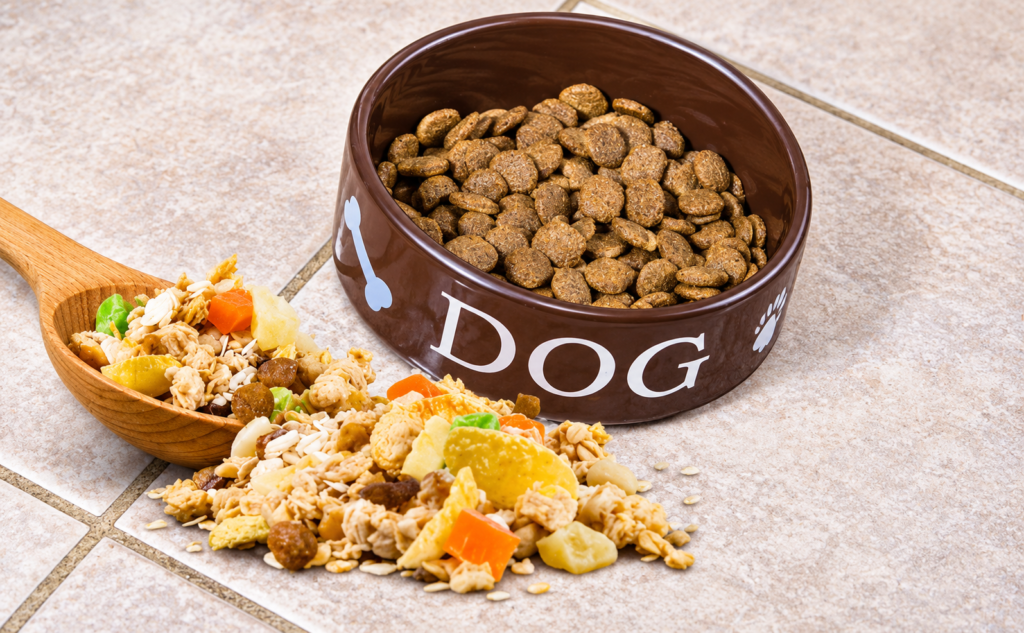
Fiber rich foods for dogs can be a useful part of a balanced diet when they are offered in the right amounts. Fiber can support healthy digestion, regular bowel movements, and overall gut health. Some dogs may benefit from additional fiber when they experience occasional constipation, irregular stools, or certain digestive issues.
However, not every high-fiber food is suitable for dogs, and adding too much fiber too quickly can cause gas, bloating, loose stools, or other digestive problems. Choosing safe fiber rich foods for dogs and introducing them gradually is important.
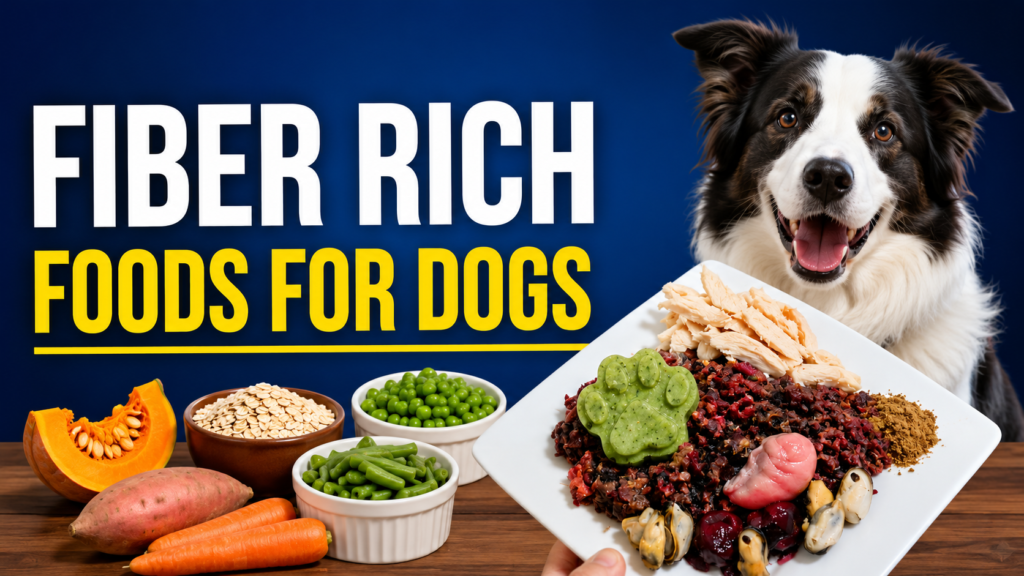
In this guide, we will discuss the best fiber rich foods for dogs, their benefits, how much fiber dogs need, how to add fiber to a dog’s diet, and which high-fiber foods should be avoided.
What Is Fiber?
Fiber is a type of carbohydrate that the digestive system does not completely break down. Unlike many other nutrients, fiber moves through the digestive tract in a different way and can help support normal bowel function.
There are different types of dietary fiber, and they can have different effects on digestion. Some fibers help add bulk to stool, while others can hold water or be fermented by beneficial bacteria in the gut.
This is why fiber rich foods for dogs can be helpful for maintaining healthy digestion when used appropriately.
Fiber is naturally found in many plant-based foods, including vegetables, fruits, and certain grains. Some commercial dog foods also contain carefully selected fiber sources to support digestive health.
Why Do Dogs Need Fiber?
Dogs need a balanced diet containing protein, fats, carbohydrates, vitamins, minerals, and other nutrients. Fiber is not usually the main source of nutrition for dogs, but it can still play an important role in digestive health.
Adding appropriate fiber rich foods for dogs to the diet may provide several benefits.
Fiber can help:
- Support regular bowel movements
- Improve stool consistency
- Add bulk to stool
- Support normal digestive function
- Help beneficial gut bacteria
- Support healthy intestinal function
- Help some dogs feel full after eating
- Support weight-management diets when appropriately formulated
However, more fiber is not always better. Dogs have different nutritional requirements based on their age, size, activity level, health status, and existing diet.
Best Fiber Rich Foods for Dogs
There are several foods that can provide fiber for dogs. Some are especially popular because they are relatively simple to prepare and can be added to meals in small quantities.
Here are some of the best fiber rich foods for dogs.
1. Pumpkin
Pumpkin is one of the most commonly recommended fiber rich foods for dogs.
Plain cooked pumpkin or plain canned pumpkin can provide dietary fiber and moisture. Because pumpkin contains water as well as fiber, it may be useful for supporting normal stool consistency.
Always choose plain pumpkin without added sugar, spices, salt, or artificial ingredients.
Pumpkin pie filling should not be used as a substitute for plain pumpkin because it can contain added ingredients that are inappropriate for dogs.
Benefits of Pumpkin for Dogs
Pumpkin may:
- Provide dietary fiber
- Add moisture to meals
- Support normal digestion
- Help maintain healthy stool consistency
- Provide certain vitamins and minerals
Pumpkin should still be offered in moderation. Large quantities can provide too much fiber and may cause digestive upset.
2. Sweet Potatoes
Sweet potatoes are another excellent option when looking for fiber rich foods for dogs.
Cooked sweet potatoes contain dietary fiber along with other nutrients. They should be served plain and fully cooked.
Remove the skin if it is difficult for your dog to digest, and avoid adding butter, salt, sugar, spices, sauces, or seasonings.
Sweet potatoes can be mashed and mixed into a dog’s regular food in a small amount.
Are Sweet Potatoes Good for Dogs?
Plain cooked sweet potatoes can be a nutritious addition to many dogs’ diets when given in moderation.
They provide fiber and carbohydrates and can add variety to meals.
However, sweet potatoes should not replace a complete and balanced dog food unless a veterinarian or qualified veterinary nutritionist has formulated the entire diet.
3. Green Beans
Green beans are a popular vegetable among dog owners and can also be included among fiber rich foods for dogs.
Plain cooked or appropriately prepared green beans contain fiber and can be used as a low-calorie addition to some dogs’ meals.
Avoid green beans prepared with salt, butter, garlic, onions, sauces, or heavy seasonings.
Fresh or frozen green beans should be prepared appropriately before feeding.
4. Carrots
Carrots can provide fiber and are another simple option when considering fiber rich foods for dogs.
Dogs can often enjoy carrots raw or cooked, depending on their size, chewing ability, and individual tolerance.
For smaller dogs, carrots should be cut into appropriately sized pieces to reduce choking risk.
Cooked carrots can also be softened and mixed into meals.
Carrots contain fiber as well as other nutrients, making them a useful occasional addition to a balanced diet.
5. Apples
Apples contain dietary fiber and can be offered to many dogs as an occasional treat.
When feeding apples, remove the seeds and core. Cut the apple into small, manageable pieces.
Apple slices should be plain and should not contain added sugar, caramel, syrup, or artificial sweeteners.
Because apples contain natural sugars, portions should remain moderate.
Apples can therefore be included on a list of fiber rich foods for dogs, but they should not become a major part of the dog’s daily diet.
6. Green Peas
Green peas can provide fiber along with other nutrients.
Plain cooked peas can be mixed into a dog’s regular food in small amounts.
Avoid peas prepared with salt, butter, sauces, garlic, onions, or other seasonings.
Peas are sometimes included in commercial dog food formulas as a source of carbohydrates and fiber.
7. Broccoli
Broccoli contains fiber and can be offered to some dogs in small quantities.
It is important to keep portions moderate because too much broccoli may cause digestive upset.
Broccoli should be plain and prepared without oils, sauces, garlic, onions, or heavy seasoning.
Small pieces are generally easier for dogs to eat.
8. Brussels Sprouts
Brussels sprouts are another vegetable that contains dietary fiber.
They should be cooked appropriately and served plain.
Because Brussels sprouts may cause gas in some dogs, start with a very small amount.
If your dog develops excessive gas, diarrhea, vomiting, or other digestive symptoms after eating them, stop offering them.
9. Oatmeal
Plain cooked oatmeal can provide fiber and may be suitable for some dogs when given in moderation.
Oatmeal should be cooked with water rather than flavored with sugar, chocolate, raisins, or artificial sweeteners.
Plain oatmeal can be mixed with a dog’s normal food in a small quantity.
Because oatmeal also provides carbohydrates and calories, portion size matters.
10. Brown Rice
Brown rice contains more fiber than refined white rice and can be included among potential fiber rich foods for dogs.
It should be cooked thoroughly and served plain.
Brown rice should not be heavily seasoned or prepared with ingredients such as onions or garlic.
It should also be treated as an addition rather than a replacement for a complete and balanced canine diet unless the entire diet has been properly formulated.
11. Pears
Pears can provide dietary fiber and may be offered to dogs as an occasional treat.
Remove the seeds and core before serving, and cut the fruit into small pieces.
Do not give pears prepared with sugar, syrup, or artificial sweeteners.
Like other fruits, pears should be offered in moderation because they contain natural sugars.
12. Bananas
Bananas contain fiber and can be an occasional addition to a dog’s diet.
They are also relatively high in natural carbohydrates and sugar, so portions should be small.
A few small pieces may be enough for many dogs.
Bananas are therefore one possible option among fiber rich foods for dogs, but they should not be relied upon as the primary source of dietary fiber.
13. Chia Seeds
Chia seeds contain dietary fiber and can be used in small quantities for some dogs.
Because seeds can absorb water, they should be introduced carefully and should not be given in excessive amounts.
If your dog has an underlying digestive condition or takes medication, speak with your veterinarian before adding concentrated fiber sources such as seeds.
14. Flaxseed
Ground flaxseed can provide fiber and other nutrients.
If you want to use flaxseed as one of the fiber rich foods for dogs, moderation is important.
Ground flaxseed is generally easier to incorporate into food than whole seeds.
However, dogs with specific medical conditions may have different dietary needs, so veterinary guidance is appropriate when adding concentrated dietary ingredients.
How Does Fiber Help a Dog’s Digestion?
One of the main reasons people search for fiber rich foods for dogs is digestive health.
Fiber can influence how food and waste move through the digestive tract. Depending on the type of fiber, it can help add bulk to stool, hold water, or provide nutrients that beneficial intestinal bacteria can use.
This can contribute to more regular bowel movements.
However, fiber is only one part of digestive health. A dog’s hydration, overall diet, activity level, underlying health, and feeding routine can also affect bowel movements.
Can Fiber Help Dogs With Constipation?
Some dogs with mild, occasional constipation may benefit from appropriate dietary fiber and adequate water intake.
Certain fiber rich foods for dogs, such as plain pumpkin or selected vegetables, may help increase stool bulk or support normal bowel function.
But constipation can have many causes.
A dog may become constipated because of dehydration, swallowing inappropriate objects, lack of activity, dietary changes, certain medications, or an underlying medical condition.
If constipation is persistent, severe, recurrent, or accompanied by pain, vomiting, lethargy, loss of appetite, or straining without producing stool, veterinary evaluation is important.
Do not assume that simply adding more fiber rich foods for dogs will solve every case of constipation.
Can Fiber Help With Diarrhea?
Fiber can sometimes influence stool consistency, but diarrhea is not always caused by a lack of fiber.
Some types of fiber may help absorb water or add bulk to stool, while other fibers may be fermented by gut bacteria.
The appropriate amount and type of fiber depend on the individual dog.
If your dog has persistent diarrhea, blood in the stool, repeated vomiting, weakness, dehydration, or loss of appetite, contact a veterinarian rather than trying to treat the problem only with fiber rich foods for dogs.
Can Fiber Help Dogs Lose Weight?
Fiber can sometimes be useful in weight-management diets because it can increase the bulk of food and may help a dog feel fuller.
Some veterinary weight-management foods are specifically formulated with appropriate fiber levels.
However, simply adding large amounts of vegetables or other fiber rich foods for dogs does not automatically create a healthy weight-loss diet.
Dogs still need adequate protein, fats, vitamins, minerals, and calories.
If your dog is overweight, a veterinarian can help determine an appropriate calorie target and feeding plan.
How Much Fiber Does a Dog Need?
There is no single fiber amount that is ideal for every dog.
The appropriate amount depends on the dog’s overall diet and individual needs.
A healthy dog eating a complete and balanced commercial diet may already be receiving an appropriate amount of fiber.
Adding numerous fiber rich foods for dogs on top of that diet may not be necessary.
Dogs with certain digestive or metabolic conditions may need specially formulated diets with different fiber characteristics.
For that reason, fiber should be considered as part of the entire diet rather than as an isolated nutrient.
How to Add Fiber Rich Foods for Dogs Safely
If you want to introduce fiber rich foods for dogs, start slowly.
Suddenly adding a large amount of fiber can cause:
- Gas
- Bloating
- Loose stool
- Diarrhea
- Abdominal discomfort
- Changes in appetite
Instead, introduce one food at a time and use a small portion.
Monitor your dog for changes in stool, appetite, energy, and digestion.
If everything remains normal, the amount can be adjusted gradually as appropriate.
Can Dogs Eat High-Fiber Foods Every Day?
Some fiber rich foods for dogs can be included regularly in small amounts, but that does not mean dogs should eat large quantities of high-fiber foods every day.
A complete and balanced dog food should remain the foundation of the diet for most healthy dogs.
Treats and additional foods should generally make up only a limited portion of daily calories.
Too many extras can unbalance the diet or contribute unnecessary calories.
Best Fiber Rich Foods for Puppies
Puppies have different nutritional requirements from adult dogs.
Although some safe fruits and vegetables can be offered as occasional treats, puppies need a complete and balanced growth diet that provides appropriate levels of calories, protein, fat, vitamins, and minerals.
Do not attempt to create a high-fiber puppy diet by simply adding large amounts of fiber rich foods for dogs.
If a puppy has constipation, diarrhea, or another digestive issue, speak with a veterinarian before making major dietary changes.
Best Fiber Rich Foods for Senior Dogs
Senior dogs can experience changes in digestion, activity, body weight, and health.
Some older dogs may benefit from diets with specific fiber characteristics, while others may need different nutritional adjustments.
The best fiber rich foods for dogs for a senior dog depend on the individual dog’s health and existing diet.
For example, a senior dog with weight problems may have different nutritional needs from a senior dog that is underweight.
A veterinarian can help determine the most appropriate dietary approach.
Fiber Rich Foods for Dogs With Sensitive Stomachs
Dogs with sensitive stomachs may react differently to new foods.
If your dog has a sensitive digestive system, introduce new fiber rich foods for dogs very gradually.
Plain pumpkin, cooked carrots, or other simple foods may be tolerated by some dogs, but there is no guarantee that every dog will respond the same way.
Keep the ingredient list simple and introduce only one new food at a time.
This makes it easier to identify which food may be causing a problem.
Foods Dogs Should Not Eat for Fiber
Not every plant-based food is safe for dogs.
Avoid using toxic or potentially dangerous foods as sources of fiber.
Examples include:
- Onions
- Garlic
- Chives
- Grapes
- Raisins
- Foods containing xylitol
- Chocolate-containing foods
- Heavily seasoned foods
- Foods with excessive salt
- Foods containing unsafe artificial sweeteners
Never assume that a food is safe simply because it contains fiber.
The safety of the entire ingredient matters.
Can Too Much Fiber Be Bad for Dogs?
Yes. Too much fiber can cause digestive problems.
Although fiber rich foods for dogs can be beneficial in appropriate amounts, excessive fiber may interfere with digestion or contribute to gas, bloating, diarrhea, or changes in stool.
Large amounts of vegetables or other high-fiber foods may also displace nutritionally important ingredients from the diet.
This is especially important for puppies, pregnant dogs, working dogs, and dogs with medical conditions.
Signs Your Dog May Be Getting Too Much Fiber
Watch for signs such as:
- Excessive gas
- Loose stool
- Diarrhea
- Bloating
- Changes in bowel movements
- Reduced appetite
- Abdominal discomfort
If these symptoms appear after adding new fiber rich foods for dogs, reduce or stop the new food and monitor your dog.
If symptoms are severe or continue, contact a veterinarian.
Fiber Rich Foods vs. Fiber Supplements for Dogs
Some dogs may need more specific fiber support than ordinary food additions can provide.
Veterinarians may recommend specific fiber supplements or therapeutic diets depending on the dog’s condition.
Do not automatically use human fiber supplements for dogs.
Human products may contain additional ingredients that are unsuitable for dogs, and the appropriate dose can be different.
If your dog requires additional fiber for a medical reason, ask your veterinarian which product and amount are appropriate.
What Is the Best Fiber Rich Food for Dogs?
There is no single best food for every dog.
For many healthy dogs, plain pumpkin, cooked sweet potato, carrots, green beans, or other appropriate vegetables may be useful occasional sources of fiber.
The best fiber rich foods for dogs are those that are safe, appropriate for the individual dog, nutritionally suitable, and given in reasonable portions.
A dog’s complete diet matters more than any individual ingredient.
How to Choose Fiber Rich Foods for Dogs
When choosing fiber rich foods for dogs, consider the following:
Choose Plain Foods
Avoid foods containing excessive salt, sugar, sauces, or spices.
Introduce One Food at a Time
This makes it easier to identify digestive reactions.
Start With Small Portions
Large amounts of fiber can cause digestive upset.
Consider Your Dog’s Size
A portion that is appropriate for a large dog may be excessive for a small dog.
Consider Your Dog’s Health
Dogs with diabetes, pancreatitis, kidney disease, gastrointestinal disorders, or other medical conditions may require specialized diets.
Keep the Main Diet Balanced
Additional fiber rich foods for dogs should not replace a complete and balanced diet unless a veterinary professional has formulated the diet appropriately.
Are Homemade Fiber Rich Foods Better Than Dog Food?
Not necessarily.
A high-quality complete and balanced dog food can already provide appropriate nutrition, including fiber.
Homemade additions such as pumpkin, carrots, or sweet potato can provide variety, but they should not automatically be considered better than a properly formulated commercial diet.
The goal should be a nutritionally balanced diet rather than simply increasing fiber.
Can Fiber Rich Foods Help With Anal Gland Problems?
Some dogs with anal gland issues may benefit from diets that support appropriate stool bulk and consistency.
Because fiber can influence stool characteristics, certain fiber rich foods for dogs may be included in dietary plans for some dogs.
However, anal gland problems can have multiple causes.
Recurring scooting, licking, swelling, pain, foul odor, or difficulty defecating should be evaluated by a veterinarian.
Do not rely on fiber alone to treat a recurring anal gland problem.
Fiber and Gut Health
The digestive tract contains many microorganisms that interact with the food a dog eats.
Certain types of dietary fiber can be fermented by intestinal bacteria and may contribute to the production of beneficial compounds.
This is one reason why the type of fiber can matter as much as the total amount.
Different fiber rich foods for dogs provide different types and amounts of fiber, so variety may be useful when appropriate.
Still, dietary changes should be gradual.
Frequently Asked Questions
What are the best fiber rich foods for dogs?
Some commonly used fiber rich foods for dogs include plain pumpkin, sweet potato, carrots, green beans, peas, apples without seeds or core, and plain cooked oatmeal. Portion size and preparation are important.
Is pumpkin a fiber rich food for dogs?
Yes. Plain pumpkin is a commonly used source of dietary fiber for dogs. It can be mixed into food in small amounts, but excessive amounts may cause digestive upset.
Can dogs eat carrots for fiber?
Yes. Plain carrots can provide fiber and can be offered in appropriately sized pieces or cooked and softened.
Can sweet potatoes provide fiber for dogs?
Yes. Plain cooked sweet potatoes contain dietary fiber and can be offered in moderation.
Can fiber help a constipated dog?
Appropriate fiber and adequate hydration may help some dogs with mild constipation, but constipation can have many causes. Persistent or severe constipation should be evaluated by a veterinarian.
Can too much fiber cause diarrhea in dogs?
Yes. A sudden or excessive increase in fiber can cause loose stool or diarrhea in some dogs.
How should I introduce fiber rich foods for dogs?
Introduce one food at a time and start with a small amount. Increase gradually only if your dog tolerates it well.
Can puppies eat fiber rich foods?
Puppies can sometimes have small amounts of appropriate fruits or vegetables, but their main diet should be complete and balanced for growth. Avoid making major dietary changes without veterinary guidance.
Are fiber rich foods good for overweight dogs?
Some high-fiber diets can support weight management by increasing food bulk and satiety, but weight loss should be based on an appropriate calorie-controlled diet.
Should I give my dog a fiber supplement?
Not unless there is a reason to do so. Ask your veterinarian before using a fiber supplement, particularly if your dog has an existing medical condition.
Cornell University College of Veterinary Medicine
Final Thoughts
Fiber rich foods for dogs can be a useful addition to a balanced canine diet when they are selected carefully and served in appropriate amounts. Foods such as plain pumpkin, cooked sweet potato, carrots, green beans, peas, and certain fruits can provide dietary fiber while adding variety to meals.
However, fiber is only one part of good nutrition. Dogs need a complete and balanced diet that meets their individual nutritional requirements.
When introducing fiber rich foods for dogs, always start with small portions and monitor your dog’s digestion. Avoid toxic ingredients, heavily seasoned foods, and products containing unsafe sweeteners.
If your dog has persistent constipation, diarrhea, weight problems, recurring digestive issues, or another health condition, speak with a veterinarian before making major dietary changes.
The goal is not simply to give your dog more fiber. The goal is to provide the right type and amount of fiber rich foods for dogs as part of an overall healthy and balanced diet.