

Many dog owners wonder what fruit can dogs eat and which fruits should be avoided. Fruit can be a tasty occasional treat for dogs, but not every fruit is safe. Some fruits provide useful vitamins, minerals, water, and fiber, while others contain parts that can be dangerous.
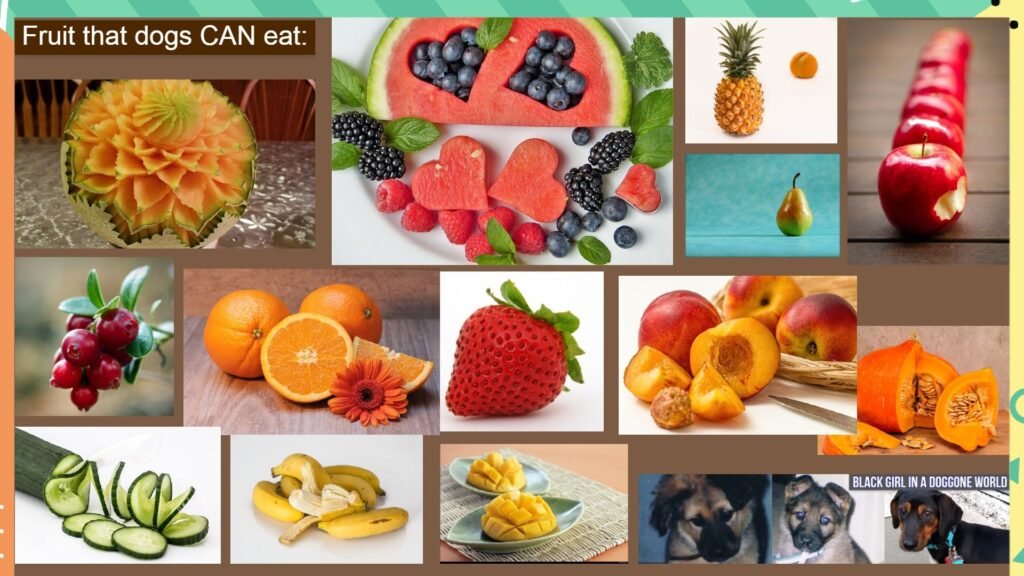
If you are asking what fruit can dogs eat, it is important to understand that safe fruit should always be prepared properly. Removing seeds, pits, stems, leaves, and tough rinds can make fruit safer for your dog.
What Fruit Can Dogs Eat?
So, what fruit can dogs eat safely? Several common fruits can be offered to healthy dogs as occasional treats. Some of the better choices include:
- Apples
- Bananas
- Blueberries
- Strawberries
- Watermelon
- Cantaloupe
- Mango
- Peaches
- Pears
- Pineapple
- Raspberries
- Blackberries
When deciding what fruit can dogs eat, remember that preparation matters. A fruit may be generally safe while its seeds, pit, stem, or rind may cause problems.
Can Dogs Eat Apples?
Yes, dogs can generally eat apples when they are prepared properly. If you are wondering what fruit can dogs eat, apples can be a safe choice when served correctly.
Apples contain fiber and several nutrients and can make a crunchy treat. Before giving an apple to your dog, remove the seeds, core, and stem. Cut the apple into small pieces that are appropriate for your dog’s size.
Apple seeds contain compounds that can be harmful in sufficiently large amounts, so it is best to remove them completely.
Can Dogs Eat Bananas?
Bananas are another fruit that many dogs can enjoy in moderation. When considering what fruit can dogs eat, bananas can be a suitable occasional treat for many healthy dogs.
They contain potassium, fiber, and other nutrients. However, bananas are relatively high in natural sugar, so large portions are not recommended.
Small slices can be used as an occasional treat. If your dog has a sensitive stomach, introduce banana gradually.
Can Dogs Eat Blueberries?
Yes, blueberries are generally safe for dogs and are a convenient small fruit treat.
Blueberries contain antioxidants, fiber, and vitamins. Because they are small, many dogs can eat them whole, although larger berries can be cut for smaller dogs.
As with any treat, blueberries should not replace a complete and balanced dog food.
Can Dogs Eat Strawberries?
Strawberries can usually be given to dogs in small quantities.
They contain vitamin C, fiber, and water. Wash strawberries thoroughly, remove the leaves and stem, and cut larger berries into smaller pieces.
Too many strawberries may cause digestive upset because of their fiber and natural sugar content.
Can Dogs Eat Watermelon?
Watermelon can be a refreshing treat, particularly during warm weather.
The flesh of watermelon is mostly water and can help provide hydration. However, remove the seeds and rind before giving watermelon to your dog.
The rind can be difficult to digest, while seeds can create a choking or intestinal obstruction concern if consumed in larger quantities.
Can Dogs Eat Cantaloupe?
Cantaloupe is generally safe for dogs when served in moderation.
It contains water, vitamins, and natural sugars. Remove the rind and seeds before serving and cut the flesh into appropriately sized pieces.
Because cantaloupe contains natural sugar, dogs should receive only small amounts.
Can Dogs Eat Mango?
Dogs can eat mango flesh in small amounts.
Mango contains vitamins and can be a sweet occasional treat. However, the large pit must always be removed. Mango pits can present a choking or intestinal blockage risk.
Peel the mango, remove the pit completely, and cut the flesh into small pieces before serving.
Can Dogs Eat Peaches?
Peach flesh can generally be given to dogs in moderation.
The important part is removing the peach pit completely. Peach pits can be dangerous because they can cause choking or intestinal blockage and contain compounds that are unsafe if chewed or consumed.
Never allow your dog to chew on a peach pit.
Can Dogs Eat Pears?
Pears can be an occasional treat for dogs.
Wash the fruit, remove the seeds and core, and cut the pear into small pieces. Pears contain fiber and water, but they also contain natural sugar, so portion size matters.
If you are researching what fruit can dogs eat, pears can be one of the options to consider when they are prepared correctly.
Can Dogs Eat Pineapple?
Fresh pineapple can generally be given to dogs in small amounts.
Remove the tough outer skin and the hard central core. Only the soft flesh should be offered.
Pineapple contains natural sugar and can cause stomach upset if a dog eats too much, so start with a small amount.
Can Dogs Eat Raspberries?
Raspberries can be offered to dogs in small quantities.
They contain fiber and antioxidants, but they should remain an occasional treat rather than a major part of your dog’s diet.
Because raspberries naturally contain sugar and other compounds, moderation is important.
Can Dogs Eat Blackberries?
Blackberries are generally considered safe for dogs when served in moderation.
They provide fiber and several nutrients. Wash them before serving and offer only a few at a time, particularly when introducing them for the first time.
Fruits Dogs Should Avoid
Knowing what fruit can dogs eat is important, but knowing which fruits to avoid is equally important.
When learning what fruit can dogs eat, dog owners should also know that some fruits can be dangerous and should never be offered casually.
Grapes and Raisins
Grapes and raisins should not be given to dogs. They can cause serious kidney problems, and the amount that causes toxicity can vary between individual dogs.
If your dog eats grapes or raisins, contact a veterinarian promptly rather than waiting for symptoms.
Cherries
Whole cherries are not a good choice for dogs. The pits, stems, and leaves contain compounds that can be dangerous, and the pit can also cause choking or obstruction.
It is safer to choose another dog-friendly fruit.
Avocado
Avocado is best avoided as a dog treat. Different parts of the avocado plant contain persin, and the large pit can create a choking or blockage hazard.
How Much Fruit Can Dogs Eat?
Even safe fruits should be treated as occasional snacks.
A dog’s main diet should provide complete and balanced nutrition. Treats, including fruit, should generally make up only a small portion of daily calorie intake.
The appropriate amount depends on your dog’s size, age, activity level, health, and overall diet.
For a small dog, a few small pieces may be enough. Larger dogs may be able to have a little more, but more does not necessarily mean better.
If you are deciding what fruit can dogs eat and how much to offer, start with a small portion and monitor your dog for any digestive changes.
How to Prepare Fruit for Dogs
When deciding what fruit can dogs eat, preparation is just as important as the type of fruit.
Follow these basic steps:
- Wash fresh fruit thoroughly.
- Remove seeds and pits.
- Remove stems and leaves.
- Remove tough rinds or skins when appropriate.
- Cut fruit into bite-sized pieces.
- Start with a small portion.
- Watch for digestive problems.
Avoid adding sugar, chocolate, syrup, artificial sweeteners, or other ingredients to fruit given to your dog.
Plain fresh fruit is usually the better option.
Can Puppies Eat Fruit?
Puppies can sometimes eat small amounts of appropriate fruits, but their primary nutrition should come from a complete puppy diet.
Puppies have different nutritional requirements from adult dogs, and treats should not interfere with their regular meals.
If you want to introduce fruit to a puppy, start with a very small amount and choose soft, appropriately sized pieces.
For owners wondering what fruit can dogs eat during puppyhood, it is especially important to introduce new foods slowly and use age-appropriate portions.
Can Fruit Cause Stomach Problems in Dogs?
Yes. Even fruits that are considered safe can cause digestive upset when a dog eats too much.
Possible signs include loose stool, vomiting, gas, or abdominal discomfort.
Dogs that are not used to fruit may be more sensitive. Introduce new foods slowly and stop giving the fruit if your dog develops concerning symptoms.
Are Fruit Snacks Healthy for Dogs?
Fruit can be a healthier alternative to some highly processed treats when given appropriately.
However, fruit should not be considered a replacement for balanced dog food. It is best used as an occasional snack or training reward.
The nutritional value of fruit varies, so rotating small amounts of safe fruits can provide variety without making treats a major part of the diet.
Understanding what fruit can dogs eat can help you choose better occasional treats without replacing your dog’s regular food.
Final Thoughts
Understanding what fruit can dogs eat helps dog owners choose safer treats. Apples, bananas, blueberries, strawberries, watermelon, cantaloupe, mango, pears, pineapple, raspberries, and blackberries can generally be offered in moderation when prepared correctly.
When learning what fruit can dogs eat, always remember to remove dangerous parts such as pits, seeds, stems, leaves, and tough rinds. Avoid grapes and raisins, and be cautious with fruits that contain large pits or other potentially harmful parts.
If your dog has a medical condition, food allergy, sensitive stomach, or special dietary requirements, speak with your veterinarian before adding new foods to the diet.