
The short answer is No. Dogs should not eat cooked chicken bones. While many people believe dogs can safely chew any type of bone, chicken bones are among the most dangerous bones a dog can consume.
If you’ve ever wondered can dogs eat chicken bones, the answer depends on whether the bones are cooked or raw. Cooked chicken bones easily splinter into sharp pieces that can choke your dog or puncture the mouth, throat, stomach, or intestines. Raw chicken bones are less likely to splinter, but they still carry risks such as bacterial contamination, intestinal blockage, and digestive problems.
Whether your dog accidentally grabbed leftovers from the trash or stole a chicken wing from your dinner plate, knowing what happens if a dog eats chicken bones can help you respond quickly and potentially save your dog’s life.
Are Chicken Bones Bad for Dogs?
Yes. Chicken bones are bad for dogs, especially when cooked.
When asking, “Can Dogs Eat Chicken Bones?” it’s important to understand that although dogs have powerful jaws and digestive systems, they are not immune to injuries caused by sharp bones. Many veterinary emergencies every year involve dogs that have swallowed cooked chicken bones, which can splinter and cause choking, internal injuries, or intestinal blockages. Understanding can dogs eat chicken bones helps dog owners make safer feeding decisions and avoid potentially life-threatening complications.
Potential dangers include:
- Choking
- Mouth injuries
- Broken teeth
- Throat damage
- Esophagus injuries
- Stomach punctures
- Intestinal blockage
- Internal bleeding
- Peritonitis
- Emergency surgery
This is why veterinarians consistently advise owners never to intentionally feed chicken bones.
Can Dogs Eat Cooked Chicken Bones?
No. Cooked Chicken Bones Are Extremely Dangerous
If someone asks can dogs eat cooked chicken bones, the answer is an absolute No.
Cooking removes moisture from bones, making them brittle.
Instead of crushing safely, cooked bones shatter into razor-sharp fragments.
These fragments may:
- Cut the gums
- Slice the tongue
- Damage the throat
- Become lodged in the esophagus
- Puncture the stomach
- Tear the intestines
- Cause life-threatening infections
Even a small cooked chicken bone can become a medical emergency.
Common dangerous cooked bones include:
- Fried chicken bones
- Chicken wing bones
- Chicken thigh bones
- Drumstick bones
- Rotisserie chicken bones
- BBQ chicken bones
- Grilled chicken bones
- Baked chicken bones
Never give these bones to your dog.
Can Dogs Eat Raw Chicken Bones?
Many owners ask whether can dogs eat raw chicken bones is safer than cooked bones.
The answer is more complicated.
Raw chicken bones are softer and usually don’t splinter as easily.
However, they still have risks including:
- Salmonella
- Campylobacter
- Parasites
- Choking
- Intestinal blockage
- Tooth fractures
Although some raw-feeding advocates include raw chicken bones for dogs in carefully planned diets, many pet owners still ask, can dogs eat chicken bones safely? Most veterinarians recommend avoiding raw chicken bones unless you’re following a professionally balanced raw feeding program under veterinary guidance. Even though raw bones are less likely to splinter than cooked ones, can dogs eat chicken bones is still a question with no simple yes, as raw chicken bones can pose risks such as bacterial contamination, choking, and intestinal blockage.
For the average pet owner, raw chicken bones are not completely safe.
Cooked vs Raw Chicken Bones
| Feature | Cooked Chicken Bones | Raw Chicken Bones |
| Splinter Easily | ✅ Yes | ❌ Less likely |
| Choking Risk | High | Moderate |
| Intestinal Damage | Very High | Moderate |
| Bacterial Risk | Low | High |
| Recommended by Vets | ❌ No | Usually No |
| Safe for Most Dogs | ❌ Never | Not Recommended |
Why Are Chicken Bones Dangerous?
Understanding why chicken bones are dangerous helps explain why veterinarians take these cases seriously.
1. Sharp Splinters
Cooked chicken bones break into sharp pieces that can cut delicate tissues.
These sharp fragments may damage:
- Mouth
- Tongue
- Throat
- Esophagus
- Stomach
- Small intestine
- Colon
2. Choking Hazard
A dog may swallow a large bone whole.
The bone can become lodged inside the throat, preventing normal breathing.
Signs include:
- Panic
- Pawing at the mouth
- Drooling
- Difficulty breathing
- Gagging
- Blue gums
A choking dog requires immediate emergency care.
3. Intestinal Blockage
Sometimes the bone reaches the stomach but cannot pass through the digestive tract. This is one of the most serious reasons why pet owners ask, can dogs eat chicken bones.
This creates an obstruction. If you’re wondering can dogs eat chicken bones, remember that even a small chicken bone can become stuck and block the digestive system.
A blockage may stop food and water from moving through the intestines. Without treatment, the affected tissue may lose blood supply and die. This is why veterinarians generally advise that the answer to can dogs eat chicken bones is no, especially when the bones are cooked.
4. Internal Bleeding
Sharp bone fragments can puncture internal organs.
Internal bleeding may not be visible immediately.
Instead, dogs often become:
- Weak
- Pale
- Lethargic
- Painful
- Vomit blood
- Produce black stools
5. Infection
If the intestines are punctured, bacteria can leak into the abdomen. This is one of the serious complications that explains why the answer to can dogs eat chicken bones is usually no.
This condition causes peritonitis, one of the most dangerous and life-threatening infections in dogs. If you’re asking can dogs eat chicken bones, it’s important to know that even a small splintered bone can lead to severe internal infection.
Emergency surgery is usually required to treat this condition. Because of these risks, veterinarians consistently advise that can dogs eat chicken bones should be answered with extreme caution, especially when the bones are cooked.
What Happens If a Dog Eats Chicken Bones?
If your dog ate chicken bones, several outcomes are possible.
Best Case
The bone is small.
It passes safely through the digestive tract without causing injury.
Mild Case
Your dog develops:
- Vomiting
- Mild diarrhea
- Constipation
- Temporary stomach upset
Serious Case
The bone becomes stuck.
Possible complications include:
- Choking
- Blockage
- Internal cuts
- Perforation
- Infection
Immediate veterinary treatment becomes necessary.
Factors That Affect Risk
Not every dog faces the same level of danger.
Risk depends on:
- Size of the dog
- Age
- Breed
- Bone size
- Number of bones eaten
- Cooked or raw
- Existing digestive problems
- Whether bones were swallowed whole or chewed
For example, a Chihuahua swallowing a drumstick bone faces much greater danger than a Great Dane swallowing a tiny wing tip.
Symptoms Your Dog Ate Chicken Bones
Watch carefully over the next 24–72 hours.
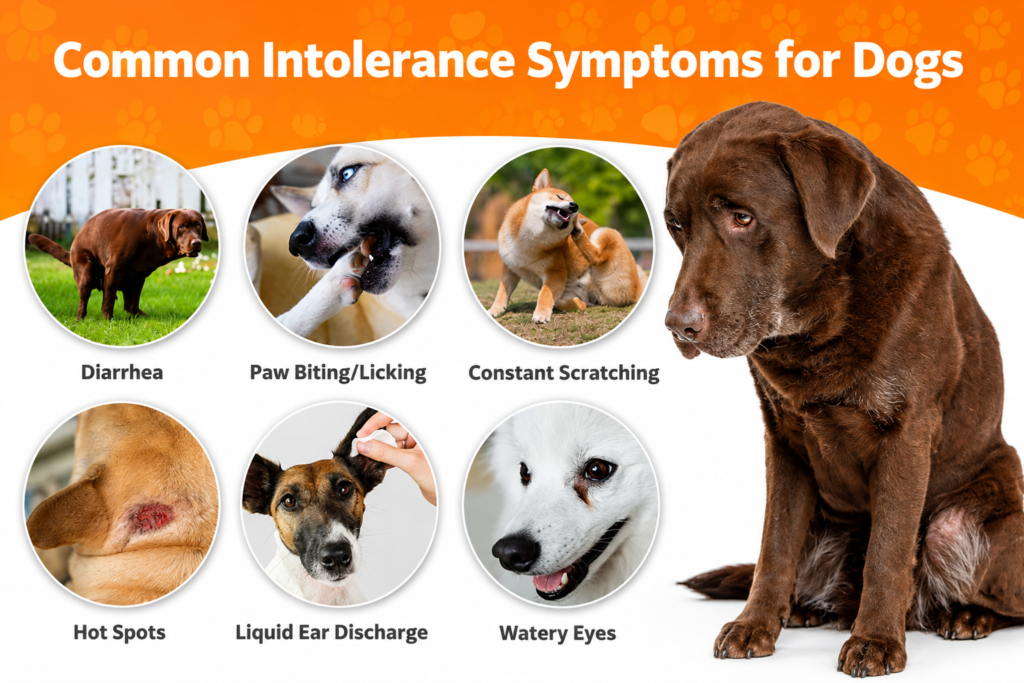
Common symptoms include:
- Excessive drooling
- Gagging
- Choking
- Vomiting
- Refusing food
- Crying while eating
- Blood in saliva
- Blood in vomit
- Blood in stool
- Black stool
- Constipation
- Abdominal pain
- Swollen abdomen
- Weakness
- Lethargy
- Restlessness
- Difficulty defecating
- Whining
- Heavy panting
- Fever
Any of these signs should be treated seriously.
Can Puppies Eat Chicken Bones?
No.
Can puppies eat chicken bones? Absolutely not.
Puppies have:
- Smaller throats
- Narrower intestines
- Weaker digestive systems
- Higher choking risk
Even a tiny chicken bone can become life-threatening.
What Should You Do If Your Dog Eats Chicken Bones?
If your dog ate chicken bones, don’t panic. Many dogs swallow bones without serious complications, but because cooked chicken bones can splinter, it’s important to monitor your dog closely. If you’re wondering can dogs eat chicken bones, the safest step is to contact your veterinarian for advice.
The first few hours after your dog eats chicken bones are the most important. Acting calmly and knowing what to do can make a big difference. While some dogs pass small bone fragments without issues, can dogs eat chicken bones is still a question veterinarians generally answer with no because of the risk of choking, intestinal blockage, and internal injuries. Understanding can dogs eat chicken bones can help you respond quickly and protect your dog’s health.
Step 1: Stay Calm
Seeing your dog swallow a chicken bone can be frightening, but panicking may make the situation worse.
Instead:
- Keep your dog calm.
- Remove any remaining chicken bones.
- Prevent your dog from eating more food until you’ve assessed the situation.
- Observe your dog’s behavior carefully.
If your dog is breathing normally and acting comfortable, that’s a good sign—but continue monitoring them.
Step 2: Determine What Your Dog Ate
Try to answer these questions:
- Was it cooked or raw chicken bones?
- How many chicken bones were eaten?
- Were they wing bones, drumstick bones, thigh bones, or neck bones?
- Did your dog chew the bones or swallow them whole?
- Approximately how long ago did it happen?
These details can help your veterinarian decide the best course of action.
Step 3: Watch for Warning Signs
After your dog eats chicken bones, watch closely for symptoms over the next 24–72 hours.
Seek veterinary care if you notice:
- Repeated vomiting
- Gagging
- Difficulty swallowing
- Choking
- Excessive drooling
- Loss of appetite
- Bloody stool
- Bloody vomit
- Black, tarry stool
- Constipation
- Severe abdominal pain
- Swollen abdomen
- Weakness
- Lethargy
- Trouble breathing
- Restlessness
- Whining or signs of pain
These symptoms may indicate intestinal blockage, internal injury, or another serious complication.
What NOT to Do If Your Dog Eats Chicken Bones
Many well-meaning owners accidentally make the situation worse.
Avoid these common mistakes:
❌ Don’t Make Your Dog Vomit
Never try to make your dog vomit unless your veterinarian specifically instructs you to do so. If you’re wondering can dogs eat chicken bones, forcing vomiting can make the situation much more dangerous.
Sharp chicken bone fragments can cause additional damage on the way back up.
❌ Don’t Pull Bones from the Throat
If you can see part of a bone in your dog’s mouth or throat, do not try to pull it out unless it is loose and easy to remove. When asking can dogs eat chicken bones, remember that removing a stuck bone yourself can cause even more injury.
Pulling on a stuck bone can cause serious injury.
❌ Don’t Wait Too Long
If your dog shows any signs of pain, choking, or vomiting, don’t wait to “see if it gets better.” Since can dogs eat chicken bones is a common emergency question, seeking prompt veterinary care is always the safest choice.
Prompt veterinary attention can prevent complications.
❌ Don’t Feed More Bones
Never give additional bones in an attempt to “push the bone through.” If you’re concerned about can dogs eat chicken bones, adding more bones can increase the risk of blockage, choking, or internal injury.
This can increase the risk of blockage or injury.
Should You Feed Bread or Pumpkin?
When asking, “Can Dogs Eat Chicken Bones?” many people wonder whether feeding bread or pumpkin can help after their dog swallows a chicken bone. While soft foods may sometimes help cushion the digestive tract, there is no guarantee they will prevent injury or other complications. If you’re concerned about can dogs eat chicken bones, the safest approach is to contact your veterinarian immediately and follow their advice rather than relying on home remedies.
When Should You Call a Veterinarian?
Call your veterinarian immediately if:
- Your dog ate cooked chicken bones.
- Your dog swallowed a large bone whole.
- Your dog is a puppy or a very small breed.
- Your dog is choking or struggling to breathe.
- Your dog has persistent vomiting.
- Your dog has blood in the stool or vomit.
- Your dog refuses food or water.
- Your dog appears painful or weak.
Early evaluation is often safer than waiting for symptoms to worsen.
How Veterinarians Diagnose Chicken Bone Problems
If your veterinarian suspects a complication, they may perform:
Physical Examination
The veterinarian will check your dog’s:
- Mouth
- Throat
- Abdomen
- Temperature
- Heart rate
- Hydration status
X-Rays
X-rays may help identify:
- Bone fragments
- Intestinal blockage
- Gas buildup
- Signs of perforation
Not all chicken bones are clearly visible on X-rays, so additional imaging may be needed.
Ultrasound
An ultrasound can help detect:
- Fluid in the abdomen
- Intestinal damage
- Obstructions
- Inflammation
Blood Tests
Blood work may reveal:
- Infection
- Internal bleeding
- Dehydration
- Organ function abnormalities
Treatment Options
Treatment depends on your dog’s condition and the type of chicken bones consumed.
1. Monitoring at Home
When asking, “Can Dogs Eat Chicken Bones?” it’s important to know that if your dog swallowed a very small chicken bone and has no symptoms, your veterinarian may recommend careful monitoring at home. While can dogs eat chicken bones is a common question among pet owners, you should only observe your dog under your veterinarian’s guidance and watch closely for any signs of choking, vomiting, abdominal pain, constipation, or changes in behavior. If any symptoms develop, seek veterinary care immediately
2. Hospitalization
Dogs with vomiting, dehydration, or pain may require:
- Intravenous fluids
- Pain medication
- Anti-nausea medication
- Close monitoring
3. Endoscopy
If the bone is still in the stomach or upper digestive tract, a veterinarian may remove it using an endoscope.
This procedure is less invasive than surgery when performed early.
4. Surgery
Surgery may be necessary if:
- The bone causes an intestinal blockage.
- A perforation occurs.
- The bone cannot pass safely.
- Internal bleeding develops.
Prompt surgery often provides the best chance of recovery in severe cases.
Recovery After Eating Chicken Bones
Recovery time depends on the severity of the injury.
Mild Cases
When considering can dogs eat chicken bones, dogs with no complications may recover within a few days under veterinary guidance. Close monitoring and following your veterinarian’s recommendations are essential during recovery.
Moderate Cases
For pet owners asking can dogs eat chicken bones, dogs treated for stomach irritation or minor injuries often recover within one to two weeks with appropriate veterinary care, medication, and rest.
Surgical Cases
In severe situations related to can dogs eat chicken bones, recovery after abdominal surgery may take several weeks and requires careful follow-up with your veterinarian, along with proper pain management and a gradual return to a normal diet.
Can Dogs Digest Chicken Bones?
Many people believe dogs can digest all bones.
While stomach acid can break down some bone material, dogs cannot always digest chicken bones completely, especially larger or cooked bones.
Sharp fragments may still injure the digestive tract before they dissolve.
Are Some Dogs at Higher Risk?
Yes. The following dogs are more vulnerable to complications:
- Puppies
- Senior dogs
- Small breeds
- Dogs that gulp food without chewing
- Dogs with previous digestive disease
- Dogs recovering from surgery
These dogs should never be intentionally given chicken bones.
How to Prevent Your Dog from Eating Chicken Bones
When asking, “Can Dogs Eat Chicken Bones?” the best way to protect your dog is to prevent access to chicken bones altogether. Whether they are cooked chicken bones or raw chicken bones, keeping them out of your dog’s reach is the safest approach. Understanding can dogs eat chicken bones helps pet owners avoid unnecessary risks and reduce the chances of choking, intestinal injuries, or other serious health complications.
1. Throw Away Chicken Bones Properly
Many dogs find chicken bones in household trash because of the smell.
To reduce the risk:
- Use a trash can with a secure lid.
- Take kitchen garbage outside regularly.
- Keep trash behind a closed door if possible.
- Never leave leftover chicken bones on countertops or tables.
This simple habit can prevent your dog from eating chicken bones accidentally.
2. Never Feed Chicken Bones Intentionally
Some people still believe bones are a natural food for dogs. However, veterinarians strongly advise against feeding cooked chicken bones because they can splinter and cause serious injuries. Can dogs eat chicken bones? The safest answer is no, especially when the bones are cooked. Even if your dog has eaten chicken bones before without problems, there is no guarantee it will be safe the next time. Understanding can dogs eat chicken bones can help you make safer feeding choices and prevent potentially life-threatening complications.
3. Teach the “Leave It” Command
Training your dog to respond to the “Leave It” command can prevent many accidents. If you’re wondering can dogs eat chicken bones, teaching this simple command is one of the best ways to keep your dog safe. Practice regularly by rewarding your dog for ignoring food on the ground. This command is especially useful during walks, picnics, or family gatherings where chicken bones may be dropped. Learning can dogs eat chicken bones also helps owners understand why preventing access to bones is so important.
4. Supervise Outdoor Activities
Dogs often discover discarded chicken bones in parks, sidewalks, campsites, or public trash bins. Can dogs eat chicken bones? Even a single discarded cooked bone can pose a serious health risk. Always supervise your dog outdoors and use a leash in areas where food waste is common. Knowing can dogs eat chicken bones encourages pet owners to stay alert and reduce the risk of choking, intestinal blockages, and other dangerous complications.
Safe Alternatives to Chicken Bones
If your dog enjoys chewing, there are much safer options than chicken bones.
Veterinarian-Approved Alternatives
- Durable rubber chew toys
- Veterinary-approved dental chews
- Nylon chew toys designed for dogs
- Natural rubber enrichment toys
- Frozen dog-safe treats
- Long-lasting chew sticks approved for your dog’s size
Choose products that match your dog’s chewing strength and size to reduce the risk of broken teeth or choking.
Foods You Can Give Instead of Chicken Bones
Instead of giving your dog chicken bones, consider healthy treats such as:
- Plain cooked chicken (boneless)
- Cooked turkey (boneless)
- Cooked lean beef (boneless)
- Carrot sticks
- Apple slices (without seeds)
- Green beans
- Pumpkin puree (plain)
- Blueberries
Always introduce new foods gradually and avoid seasonings, onions, garlic, and excessive salt.
Myths About Dogs and Chicken Bones
Many myths still circulate online. Let’s separate fact from fiction.
| Myth | Fact |
| Dogs can safely eat all bones. | False. Many bones, especially cooked chicken bones, are dangerous. |
| Wild wolves eat bones, so pet dogs can too. | Domestic dogs live differently and often eat cooked leftovers, which pose greater risks. |
| Small bones are always safer. | False. Small bones can still splinter or become lodged in the throat. |
| If my dog looks fine, there’s no problem. | Some complications take hours or even days to appear. |
| Bread always protects dogs after eating chicken bones. | There is no guarantee that bread will prevent injury. Follow your veterinarian’s advice. |
Can Chicken Bones Cause Internal Injuries?
Yes. One of the biggest concerns is that sharp bone fragments can injure the digestive tract.
Possible complications include:
- Cuts in the mouth or tongue
- Damage to the throat or esophagus
- Stomach irritation
- Intestinal blockage
- Intestinal perforation
- Internal bleeding
- Infection in the abdomen (peritonitis)
These conditions require prompt veterinary care.
Signs That Require Emergency Care
Take your dog to an emergency veterinarian immediately if you notice:
- Difficulty breathing
- Continuous gagging
- Repeated vomiting
- Vomiting blood
- Blood in the stool
- Black, tarry stool
- Severe abdominal pain
- Swollen abdomen
- Collapse
- Extreme weakness
- Pale gums
- Loss of consciousness
These signs can indicate a life-threatening emergency.
How Long Does It Take for a Chicken Bone to Pass?
If no complications occur, small bone fragments may pass through the digestive system within 24 to 72 hours. However, this varies depending on:
- Dog’s size
- Bone size
- Bone type
- Digestive health
- Whether the bone was chewed
Monitor your dog’s appetite, bowel movements, and behavior during this period. If any concerning signs develop, contact your veterinarian promptly.
Are Raw Chicken Bones Safer Than Cooked Ones?
Many owners ask if raw chicken bones are safer than cooked chicken bones.
Here’s a comparison:
| Feature | Raw Chicken Bones | Cooked Chicken Bones |
| Splinter Risk | Lower | Very High |
| Bacterial Risk | Higher | Lower |
| Choking Risk | Moderate | High |
| Blockage Risk | Moderate | High |
| Veterinary Recommendation | Use caution; not recommended for most owners | Do not feed |
Even though raw bones may splinter less, they can still cause choking, blockages, or expose dogs to harmful bacteria.
Veterinary Advice
Most veterinarians agree on these key points:
- Do not intentionally feed cooked chicken bones.
- Monitor any dog that has swallowed a chicken bone.
- Seek veterinary guidance if your dog shows signs of illness or distress.
- Use safer chew alternatives instead of poultry bones.
Frequently Asked Questions (FAQs)
1. Can dogs eat chicken bones?
No. Dogs should not eat cooked chicken bones because they can splinter into sharp pieces and cause choking, internal injuries, or intestinal blockages. If you’re asking can dogs eat chicken bones, the safest answer is to avoid feeding them altogether.
2. Can dogs eat cooked chicken bones?
No. Cooked chicken bones are brittle and can easily break into sharp fragments. These fragments may injure your dog’s mouth, throat, stomach, or intestines.
3. Can dogs eat raw chicken bones?
Raw chicken bones are less likely to splinter than cooked bones, but they are not risk-free. Can dogs eat chicken bones? While raw bones may reduce the risk of splintering, they can still carry harmful bacteria and cause choking or digestive blockages. Consult your veterinarian before feeding any raw bones.
4. What happens if a dog eats chicken bones?
If a dog eats chicken bones, the outcome depends on the size of the dog, the type of bone, and whether it was cooked or raw. Some dogs pass small fragments without problems, while others may experience choking, vomiting, internal injuries, or intestinal blockages.
5. What should I do if my dog ate chicken bones?
Stay calm and observe your dog closely. Can dogs eat chicken bones? If your dog has swallowed one, contact your veterinarian for guidance, especially if the bones were cooked or your dog develops symptoms such as vomiting, gagging, abdominal pain, or difficulty breathing. Early veterinary care can help prevent serious complications.
6. Can puppies eat chicken bones?
No. Can dogs eat chicken bones? The answer is no, especially for puppies. Puppies should never eat chicken bones because their smaller airways and digestive systems make them more vulnerable to choking, intestinal injuries, and digestive blockages.
7. How long does it take a chicken bone to pass through a dog?
If no complications occur, small bone fragments may pass within 24 to 72 hours. However, every dog is different, so monitor your pet carefully during this time.
8. Can chicken bones cause intestinal blockage?
Yes. Chicken bones can become lodged in the digestive tract and cause a serious intestinal blockage, which may require emergency surgery.
9. Are chicken wing bones dangerous for dogs?
Yes. Chicken wing bones are small but can still splinter, causing injuries or choking.
10. Are chicken drumstick bones safe for dogs?
No. Chicken drumstick bones are larger and stronger, but cooked drumstick bones can still splinter and become dangerous.
11. Can dogs digest chicken bones?
Dogs can digest some bone material, but they cannot always digest chicken bones completely. Large or sharp fragments may damage the digestive tract before they break down.
12. What are the signs of a blockage after eating chicken bones?
Watch for:
- Vomiting
- Loss of appetite
- Constipation
- Abdominal pain
- Weakness
- Bloody stool
- Lethargy
These symptoms require prompt veterinary attention.
Final Thoughts
If you’re wondering can dogs eat chicken bones, the safest answer is no—especially cooked chicken bones. Although dogs have strong jaws and digestive systems, chicken bones can splinter into sharp pieces that may cause choking, cuts, intestinal blockages, or even life-threatening internal injuries.
If your dog ate chicken bones, don’t panic, but monitor them carefully for signs of distress and contact your veterinarian if you notice vomiting, difficulty breathing, abdominal pain, bloody stool, or unusual behavior. Early treatment can prevent serious complications.
Instead of giving your dog chicken bones, choose safer chew toys or veterinarian-approved dental chews. Keeping leftover bones out of your dog’s reach is the best way to avoid accidents and protect your pet’s health.