
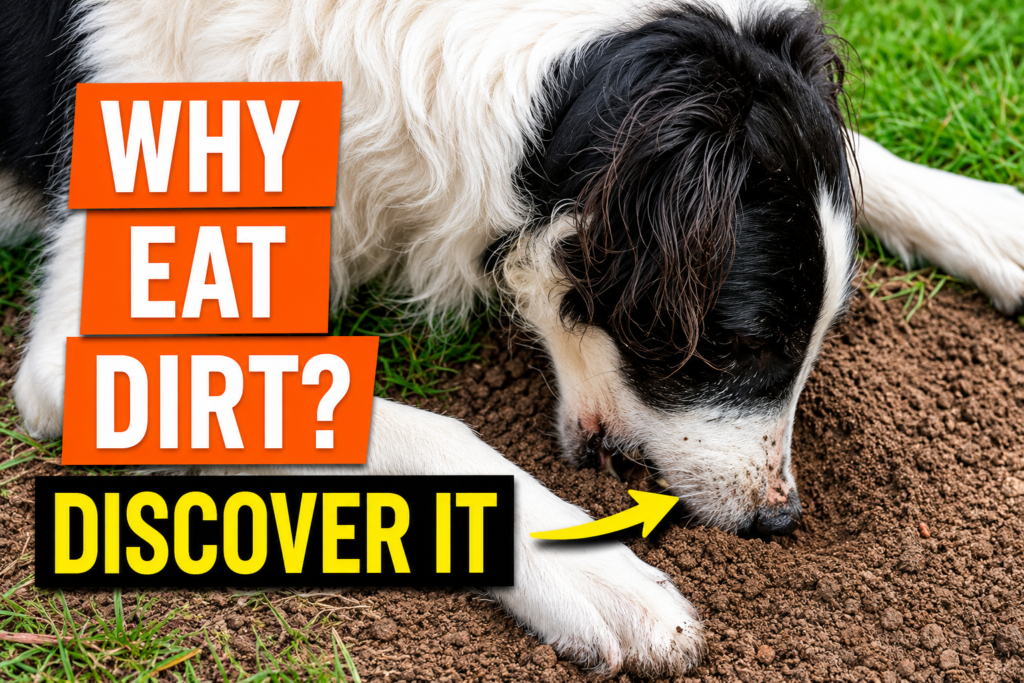
If you have noticed your dog eating soil from the yard, garden, or during walks, you may be asking, why is my dog eating dirt? This unusual behavior can be confusing, especially when your dog has access to plenty of normal food.
In some cases, occasional dirt eating may simply be part of normal exploration. However, frequent dog eating dirt can sometimes be related to boredom, anxiety, an unbalanced diet, digestive problems, pica, or another underlying health issue.
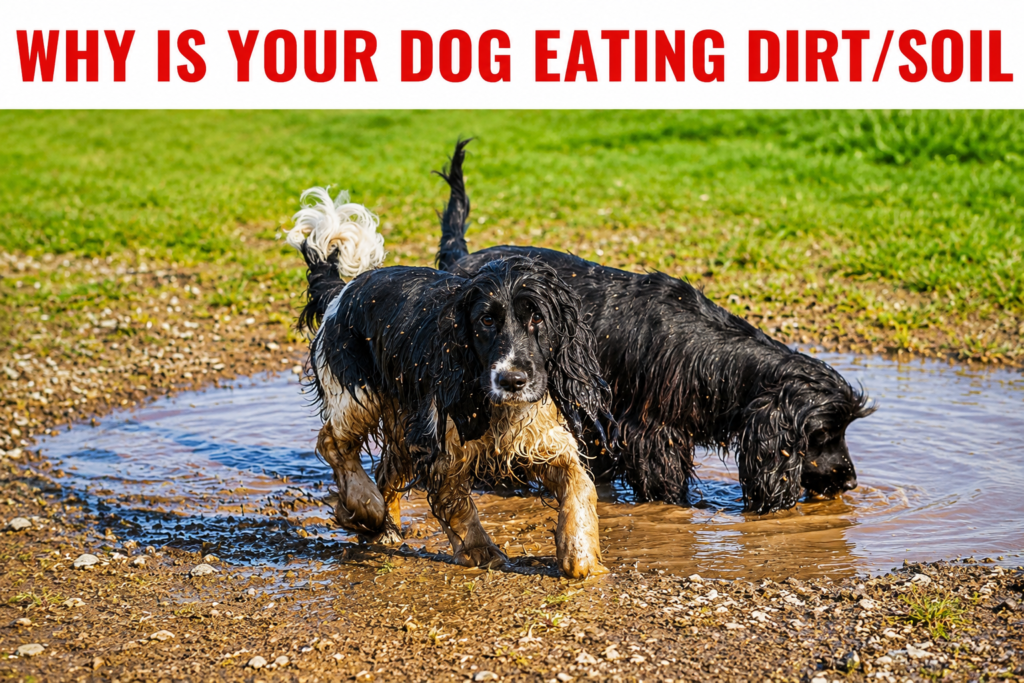
Understanding why is my dog eating dirt is important because the reason behind the behavior can help you determine the best way to stop it.
Why Is My Dog Eating Dirt?
So, why is my dog eating dirt instead of eating only its regular food? There are several possible explanations.
Dogs explore their environment with their noses and mouths. Soil contains many interesting smells and textures, and your dog may simply be curious about it.
However, if your dog repeatedly eats dirt, the behavior deserves more attention. Some dogs eat dirt because they are bored, stressed, hungry, or experiencing an underlying medical problem.
The most common reasons for why is my dog eating dirt include:
- Curiosity and natural exploration
- Boredom
- Anxiety or stress
- Nutritional problems
- Digestive discomfort
- Hunger
- Pica
- Interesting smells in the soil
- Access to contaminated outdoor areas
Let’s look at each possible reason in more detail.
1. Curiosity and Natural Exploration
One of the simplest explanations for why is my dog eating dirt is curiosity.
Dogs experience the world largely through their sense of smell. Soil can contain the scents of insects, plants, animals, food particles, and other interesting substances.
Puppies are particularly likely to investigate their surroundings by chewing and tasting different objects. This means that why is my puppy eating dirt may have a simpler explanation than the same behavior in an adult dog.
A puppy may taste dirt once or twice simply because it is investigating something new.
Occasional exploration is usually less concerning than persistent consumption. Nevertheless, owners should supervise puppies outdoors because soil can contain parasites, chemicals, sharp objects, or other dangerous materials.
2. Boredom Can Cause Dirt Eating
Another possible answer to why is my dog eating dirt is boredom.
Dogs need both physical exercise and mental stimulation. If a dog spends a lot of time outside without anything interesting to do, it may create its own entertainment.
Digging and eating dirt can become a habit.
Dogs that are bored may also:
- Dig holes
- Chew furniture
- Bark excessively
- Chase their tail
- Destroy household items
- Dig through trash
- Eat grass or other unusual materials
If why is my dog eating dirt seems to be connected with long periods of inactivity, increasing exercise and enrichment may help.
Daily walks, interactive toys, obedience training, scent games, and supervised play can give your dog healthier ways to spend its energy.
3. Anxiety or Stress
Stress can also help explain why is my dog eating dirt.
Some dogs develop repetitive or unusual behaviors when they feel anxious. Changes in the household, moving to a new home, separation from an owner, loud noises, unfamiliar animals, or changes in routine can cause stress.
If your dog recently experienced a major change and suddenly started eating dirt, consider whether anxiety could be contributing to the behavior.
Other signs of stress may include:
- Pacing
- Whining
- Excessive barking
- Hiding
- Destructive behavior
- Excessive licking
- Restlessness
- Changes in appetite
If you are trying to understand why is my dog eating dirt, look at the behavior as a whole rather than focusing only on the dirt.
4. Nutritional Problems
Many owners wonder whether a nutritional deficiency could be the reason why is my dog eating dirt. Some dogs with nutritional imbalances or certain medical conditions may develop unusual eating behaviors, including eating soil, grass, or other non-food substances. However, dirt eating alone does not prove that your dog is missing a specific vitamin or mineral.
For example, some owners assume that their dog must have an iron deficiency simply because it eats dirt. While certain nutritional or health problems can sometimes be associated with unusual eating habits, there are many other possible reasons for this behavior. Therefore, it is important not to assume that a mineral deficiency is the cause without proper veterinary evaluation.
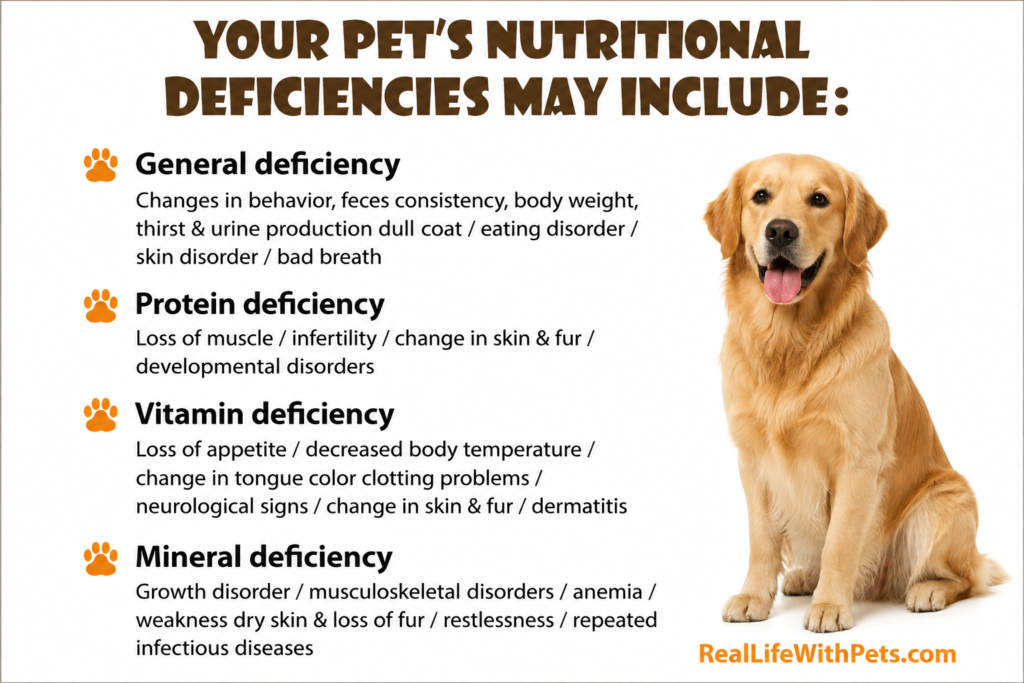
If your dog is eating dirt regularly, your veterinarian can review its daily diet, feeding routine, age, weight, body condition, medical history, and any other symptoms. Depending on your dog’s condition, the veterinarian may recommend blood work or other tests to determine whether a nutritional deficiency or underlying health problem could be contributing to the behavior.
It is also important to make sure your dog is eating a complete and balanced diet appropriate for its age and lifestyle. If you feed homemade dog food, nutritional deficiencies can sometimes occur when the diet is not carefully formulated.
Do not give your dog iron, calcium, multivitamins, or other mineral supplements simply because you suspect a deficiency. Giving unnecessary or excessive supplements can sometimes cause health problems. Always speak with your veterinarian before adding supplements to your dog’s diet.
5. Digestive Problems
Another possible explanation for why is my dog eating dirt is digestive discomfort.
Some dogs eat unusual materials when they feel nauseous or have an upset stomach. Dirt eating can sometimes occur alongside other digestive behaviors, although it does not tell you exactly what is causing the problem.
Pay attention to additional symptoms such as:
- Vomiting
- Diarrhea
- Excessive drooling
- Loss of appetite
- Abdominal discomfort
- Lethargy
- Changes in bowel movements
If your dog’s dirt eating is accompanied by these symptoms, contact your veterinarian.
6. Hunger
Hunger may also contribute to why is my dog eating dirt.
Dogs that are not receiving enough calories for their individual needs may become interested in unusual things.
Puppies, highly active dogs, pregnant or nursing dogs, and dogs with certain health conditions can have different nutritional requirements.
However, you should not simply increase your dog’s food because you are wondering why is my dog eating dirt.
Instead, discuss your dog’s feeding amount with your veterinarian and consider factors such as age, weight, activity level, body condition, and health.
7. Pica
A dog that repeatedly eats non-food substances may have a condition known as pica.
Pica involves consuming materials that are not normally considered food. A dog with pica might eat:
- Dirt
- Rocks
- Plastic
- Paper
- Fabric
- Sticks
- Other non-food objects
If your dog eats many different non-food items, pica could be one possible explanation for why is my dog eating dirt.
Pica can have behavioral causes, but medical or nutritional problems can also contribute to abnormal eating behavior.
Persistent pica should be discussed with a veterinarian.
8. Something Interesting May Be Buried in the Soil
Sometimes the answer to why is my dog eating dirt is not actually the dirt.
Dogs have an excellent sense of smell and may detect something underneath the soil.
Your dog could be interested in:
- Insects
- Worms
- Small animal scents
- Food particles
- Compost
- Animal waste
- Decaying organic material
If your dog digs in one particular location and then eats the soil, investigate what might be attracting it to that area.
Is Eating Dirt Dangerous for Dogs?
Now that we have covered why is my dog eating dirt, another important question is whether dirt eating is dangerous.
Eating a very small amount of clean soil may not cause a serious problem in many healthy dogs. However, large amounts of dirt can create risks.
Soil may contain:
- Parasites
- Bacteria
- Animal feces
- Rocks
- Sharp objects
- Pesticides
- Fertilizers
- Other chemicals
- Mold
- Decaying material
Because of these risks, repeated dog eating dirt should not simply be ignored.
The safety of the soil depends heavily on where it came from and what may have been applied to it.
Can Eating Dirt Cause an Intestinal Blockage?
Yes, eating large amounts of soil or dirt mixed with rocks and other materials can potentially contribute to digestive problems or an obstruction.
An intestinal blockage can be serious and may require emergency veterinary treatment.
Signs of a possible blockage include:
- Repeated vomiting
- Loss of appetite
- Severe lethargy
- Abdominal pain
- Swollen or bloated abdomen
- Difficulty passing stool
- Straining to defecate
- Weakness
If you are asking why is my dog eating dirt because your dog has consumed a large quantity of soil, especially soil containing rocks or foreign objects, contact your veterinarian.
Can Dirt Contain Parasites?
Yes. Outdoor soil can become contaminated with parasites or parasite eggs, particularly when infected animals have defecated in the area.
Dogs that frequently eat contaminated soil may have increased exposure to intestinal parasites.
Regular veterinary examinations, appropriate fecal testing, and parasite prevention can help reduce these risks.
If your dog frequently eats dirt and has unexplained weight loss, diarrhea, vomiting, poor coat condition, or changes in appetite, speak with your veterinarian.
Why Is My Puppy Eating Dirt?
If you are specifically wondering why is my puppy eating dirt, curiosity is often an important factor.
Puppies investigate new environments with their mouths. They may chew grass, sticks, leaves, and soil while learning about their surroundings.
However, puppies are also more vulnerable to certain hazards. A small amount of contaminated material can be more concerning in a young dog.
Supervise your puppy outdoors and redirect it whenever it tries to eat dirt.
Instead of shouting, calmly call your puppy away and reward it when it chooses an appropriate toy or activity.
Why Does My Dog Eat Dirt Outside?
Many owners notice the behavior only when their dog is outdoors and ask, why does my dog eat dirt outside?
Outdoor soil contains countless smells that are not present indoors. Your dog may be attracted to insects, plants, animal scents, food particles, or other substances.
If your dog only eats dirt in one specific part of the yard, check whether that area contains compost, fertilizer, animal waste, or something else that may attract your dog.
How to Stop Your Dog From Eating Dirt
Once you understand why is my dog eating dirt, the next step is preventing the behavior.
The best approach depends on the underlying cause.
1. Supervise Your Dog Outside
Do not allow a dog that regularly eats dirt to spend unlimited unsupervised time in the yard.
Stay nearby and watch what your dog is doing.
When your dog approaches a dirt-eating area, calmly redirect its attention.
2. Teach a “Leave It” Command
Training can be very useful for preventing dog eating dirt.
Teach your dog to respond to a reliable “leave it” command. Start indoors with safe objects and gradually practice outside.
Reward your dog when it leaves the dirt and focuses on you instead.
Positive reinforcement is generally more effective than punishment.
3. Increase Daily Exercise
If boredom is the reason why is my dog eating dirt, more exercise may help.
Depending on your dog’s age and health, provide appropriate activities such as:
- Daily walks
- Fetch
- Supervised running
- Play sessions
- Training games
- Scent activities
A tired and mentally satisfied dog may be less interested in developing destructive or unusual behaviors.
4. Provide Mental Stimulation
Physical exercise is only part of the solution.
Puzzle feeders, interactive toys, scent games, and short training sessions can keep your dog’s brain active.
Mental stimulation can be particularly useful for intelligent and energetic dogs.
5. Block Access to Dirt
If possible, prevent your dog from accessing the areas where it repeatedly eats soil.
You can use suitable fencing or barriers around garden beds and other problem areas.
If your dog has a specific favorite dirt-eating location, changing access to that area may be one of the simplest solutions.
6. Keep Chemicals Away
Never allow your dog to eat dirt from an area that has recently been treated with pesticides, herbicides, fertilizers, or other chemicals.
Keep all garden and lawn products stored safely away from pets.
If you believe your dog has consumed chemically treated soil, contact your veterinarian promptly.
7. Review Your Dog’s Diet
If you are still wondering why is my dog eating dirt, review your dog’s diet.
Make sure the food is complete and balanced for your dog’s life stage.
If you prepare homemade dog food, make sure the recipe has been properly formulated. Homemade diets can become nutritionally incomplete when important vitamins and minerals are missing.
Your veterinarian can help determine whether your dog’s diet needs to be adjusted.
Should You Give Your Dog Supplements?
You should not automatically give supplements just because your dog eats dirt.
Some medical conditions can contribute to abnormal eating behaviors, but dirt eating alone cannot tell you which nutrient, if any, is lacking.
Giving excessive amounts of iron or other minerals can be harmful.
If you are concerned that nutritional deficiency is the reason why is my dog eating dirt, speak with your veterinarian before giving supplements.
When Should You Call a Veterinarian?
Occasional dirt tasting may not require emergency care, but persistent dog eating dirt should be discussed with a veterinarian.
Contact your veterinarian if:
- Your dog eats dirt frequently
- Your dog consumes large amounts of soil
- Your dog also eats rocks or other non-food objects
- Your dog vomits repeatedly
- Your dog develops diarrhea
- Your dog loses its appetite
- Your dog becomes weak or unusually tired
- Your dog appears to have abdominal pain
- Your dog has difficulty passing stool
- The behavior suddenly appears in an adult dog
- You suspect your dog has eaten contaminated soil
If you suspect poisoning from fertilizer, pesticide, or another chemical, seek veterinary advice immediately.
How Will a Veterinarian Find the Cause?
If you visit a veterinarian because you are concerned about why is my dog eating dirt, expect questions about your dog’s diet, behavior, environment, exercise routine, and medical history.
The veterinarian may perform a physical examination and may recommend tests depending on the symptoms.
Possible evaluations can include fecal testing, blood tests, dietary assessment, or other diagnostic procedures.
The purpose is to determine whether the dirt eating is behavioral or connected to an underlying health problem.
Can You Prevent Dirt Eating Completely?
You may not be able to prevent every attempt at eating dirt, especially in curious puppies.
However, you can significantly reduce the behavior by supervising outdoor activities, providing enough exercise, offering mental stimulation, teaching reliable commands, and keeping contaminated soil away from your dog.
The more consistently you redirect the behavior, the easier it may become to manage.
Final Thoughts: Why Is My Dog Eating Dirt?
So, why is my dog eating dirt? There are many possible answers.
A dog may eat dirt because of curiosity, boredom, anxiety, hunger, digestive discomfort, pica, an interesting smell, or an underlying nutritional or medical problem.
Occasional consumption of a small amount of clean soil may not cause serious problems, but frequent dog eating dirt should not be ignored.
If you have been asking why is my dog eating dirt because the behavior has become frequent, start by supervising your dog outside and preventing access to potentially contaminated soil. Provide plenty of exercise and mental stimulation, and make sure your dog receives an appropriate, balanced diet.
Most importantly, contact your veterinarian if dirt eating is persistent, excessive, or accompanied by vomiting, diarrhea, appetite changes, weakness, abdominal pain, or other unusual symptoms.
Understanding why is my dog eating dirt is the first step toward stopping the behavior and protecting your dog’s health.